
Home maintenance involves much more than keeping surfaces tidy or replacing worn-out fixtures. Behind walls, beneath floors, and throughout kitchens and bathrooms, plumbing systems work continuously to support daily comfort and sanitation. When these systems are neglected, even small issues can evolve into expensive repairs, structural damage, mold growth, and unnecessary utility costs.
Professional maintenance services help homeowners stay ahead of these problems by identifying vulnerabilities early, improving efficiency, and extending the life of critical systems and appliances. Instead of reacting to emergencies after damage has already occurred, homeowners who invest in preventive care create safer, cleaner, and more reliable living environments.
A well-maintained home also performs better over time. Water pressure remains consistent, drainage systems operate efficiently, and appliances experience less wear. In many cases, routine maintenance helps preserve property value while reducing the stress associated with unexpected breakdowns.
This article explores the long-term advantages of professional maintenance support and explains how homeowners can make smarter decisions to protect their homes year-round.
Understanding The Hidden Costs Of Delayed Maintenance

Many homeowners delay maintenance because problems initially appear small or manageable. A slow drain, dripping faucet, or occasional odor may not seem urgent at first. However, plumbing systems are interconnected, and small issues often indicate larger underlying concerns that worsen over time.
Water damage is one of the most expensive forms of household deterioration. Even a minor leak can gradually weaken drywall, flooring, insulation, and wooden framing. Moisture trapped behind walls can also create ideal conditions for mold growth, which may compromise indoor air quality and require costly remediation.
Ignoring maintenance may also lead to:
- Higher monthly water bills
- Premature appliance failure
- Structural deterioration
- Reduced plumbing efficiency
- Increased risk of emergency repairs
- Damage to cabinets and flooring
- Unpleasant odors throughout the home
Many maintenance-related problems develop slowly enough that homeowners adapt to them without realizing the severity of the issue. For example, reduced water pressure may seem normal after months of gradual decline, even though it could indicate mineral buildup, hidden leaks, or pipe corrosion.
Older homes are especially vulnerable because aging materials often deteriorate from the inside out. Corroded pipes, weakened seals, and outdated fixtures can fail unexpectedly if they are not inspected regularly.
Preventive maintenance creates opportunities to catch these issues before they become emergencies. Instead of paying for water extraction, mold removal, or major reconstruction, homeowners can address problems early at a significantly lower cost.
Why Professional Inspections Catch Problems Homeowners Miss
Most homeowners can identify obvious plumbing issues, but hidden problems often require specialized knowledge and diagnostic tools. Professional inspections provide a more complete understanding of system performance and identify developing concerns before visible damage occurs.
A qualified plumber can assess the condition of pipes, fixtures, valves, drains, and appliances using equipment that is not typically available to homeowners. Camera inspections, moisture detection devices, and pressure testing tools allow technicians to pinpoint issues without unnecessary demolition.
Some commonly overlooked problems include:
- Slow pipe corrosion inside the walls
- Small slab leaks beneath the flooring
- Ventilation restrictions affecting drainage
- Hidden moisture near appliances
- Improper pipe slopes
- Mineral buildup is reducing flow capacity
- Weak connections are vulnerable to leaks
Professional evaluations are particularly valuable during seasonal transitions or after severe weather events. Temperature fluctuations, heavy rainfall, and freezing conditions can place additional stress on plumbing systems.
Working with licensed plumbers also helps homeowners avoid incomplete or unsafe repairs. Improper installations may create code violations, increase water waste, or reduce system efficiency over time. Certified professionals understand local building requirements and ensure repairs meet safety standards.
In addition to repairs, inspections often include recommendations for future maintenance priorities. Homeowners gain a clearer understanding of which systems require immediate attention and which upgrades may improve efficiency long-term.
Routine inspections are especially important for:
- Homes older than 20 years
- Properties with previous water damage
- Homes with large families and heavy usage
- Houses with mature tree roots near sewer lines
- Seasonal or vacation properties
- Recently renovated homes
Early detection remains one of the most effective ways to reduce repair costs while protecting structural integrity.
How Routine Drain Maintenance Protects Household Systems
Drainage systems handle large amounts of water and debris every day. Over time, grease, soap residue, food particles, hair, and mineral deposits accumulate inside pipes, restricting water flow and increasing pressure within the system.
Without regular drain cleaning, small clogs gradually develop into major obstructions that may lead to backups, flooding, or pipe damage. Kitchen drains are especially vulnerable because oils and grease harden inside pipes over time.
Homeowners can reduce strain on their drainage systems by adopting better habits, including:
- Avoid pouring grease down sinks
- Use drain strainers to catch debris
- Flush drains with hot water regularly
- Dispose of food waste properly
- Avoid chemical cleaners that damage pipes
- Schedule preventive maintenance annually with licensed plumbers
The garbage disposal is another area that requires proper care. Many homeowners overload the unit or place inappropriate materials into the system, which may damage blades or create blockages further down the line.
Items that should generally be avoided include:
- Grease and oils
- Coffee grounds
- Fibrous vegetables
- Eggshells
- Pasta and rice
- Bones
- Large food scraps
Routine maintenance helps ensure drainage systems continue functioning efficiently without placing unnecessary stress on pipes and fixtures.
Professional technicians can also identify early warning signs that homeowners may miss, such as:
- Gurgling sounds in drains
- Slow drainage in multiple fixtures
- Recurring sink backups
- Sewer odors inside the home
- Water pooling near floor drains
Addressing these issues early prevents more extensive repairs later and helps maintain healthy sanitation conditions throughout the property.
Choosing The Right Team For Long-Term Reliability

Selecting the right service provider has a major impact on maintenance quality and long-term results. Not all providers offer the same level of experience, responsiveness, or preventive expertise.
A reputable plumbing company typically provides comprehensive inspections, maintenance plans, emergency support, and transparent communication. Homeowners should look for providers with strong local reputations, proper licensing, and clear service guarantees.
Important questions to ask before hiring include:
- How long has the company served the area?
- Are technicians fully certified and insured?
- Do they provide written estimates?
- What preventive services are included?
- Are emergency services available?
- Do they guarantee workmanship?
- Can they provide references or reviews?
Hiring a local plumbing contractor often provides additional advantages because local professionals understand regional conditions that affect plumbing systems. Soil movement, water quality, seasonal weather patterns, and local building codes all influence maintenance requirements.
Experienced providers also help homeowners create customized maintenance schedules based on:
- Home size
- Occupancy levels
- Pipe materials
- Appliance usage
- Property age
- Water hardness
- Previous repair history
Long-term service relationships often produce better results because technicians become familiar with the property’s systems and maintenance history over time.
Homeowners should also avoid selecting providers based solely on the lowest price. Inexpensive repairs may involve temporary fixes or low-quality materials that fail prematurely.
Reliable service providers focus on long-term performance rather than short-term solutions. This approach reduces repeat repairs while improving overall system efficiency.
Protecting Kitchen Air Quality And Appliance Performance
Many homeowners focus heavily on visible surfaces while overlooking ventilation systems that play a major role in cleanliness and safety. Kitchens generate grease particles, smoke, steam, and airborne contaminants that gradually accumulate inside exhaust systems.
Without regular kitchen exhaust cleaning, grease buildup may reduce airflow efficiency and create unpleasant odors. In some cases, excessive accumulation can even increase fire risks.
Signs that ventilation systems require attention include:
- Lingering cooking odors
- Reduced airflow
- Excessive grease near vents
- Increased humidity
- Smoke lingering during cooking
- Noisy exhaust operation
Routine cleaning services help improve air circulation while reducing strain on kitchen equipment. Cleaner systems also support healthier indoor air quality by removing contaminants more effectively.
Proper maintenance benefits several areas simultaneously:
- Ventilation performance
- Appliance efficiency
- Odor reduction
- Grease control
- Moisture management
- Indoor comfort
- Kitchen cleanliness
Coordinating maintenance appointments for multiple systems can also improve efficiency for homeowners with busy schedules. Combining plumbing and ventilation maintenance allows technicians to identify overlapping issues affecting moisture control or drainage performance.
Professional maintenance is especially valuable in homes with:
- Frequent cooking activity
- Large families
- Open-concept floor plans
- Poor natural ventilation
- Older exhaust systems
- High indoor humidity levels
Consistent upkeep helps kitchens remain cleaner, safer, and more comfortable throughout the year.
Why Experience Matters When Handling Household Repairs
Experience plays a significant role in maintenance quality because many plumbing problems involve interconnected systems. Surface-level repairs may temporarily resolve symptoms without addressing the root cause.
Skilled plumbers understand how water pressure, drainage, ventilation, and fixture performance affect one another throughout the home. This broader perspective helps prevent recurring problems.
For example, recurring drain backups may not originate from the drain itself. The issue could involve:
- Sewer line obstructions
- Pipe damage
- Ventilation problems
- Tree root intrusion
- Improper installation
- Mainline blockages
Experienced technicians evaluate the entire system rather than focusing only on the immediate symptom.
Working with established professionals also improves repair efficiency. Well-trained teams can often diagnose problems faster, reducing labor costs and minimizing disruption inside the home.
Additional advantages include:
- Better repair accuracy
- Higher-quality materials
- Improved installation methods
- Reduced repeat service calls
- Faster troubleshooting
- More reliable recommendations
Homeowners who coordinate maintenance with a trusted home cleaning company may also create a more comprehensive approach to property care. Plumbing maintenance and overall cleanliness often overlap in kitchens, bathrooms, laundry rooms, and utility spaces where moisture management is essential.
In many households, cleaning services also help identify early warning signs such as:
- Water stains
- Musty odors
- Mold growth
- Damaged caulking
- Moisture buildup near fixtures
Combining regular cleaning oversight with professional maintenance creates an additional layer of protection against hidden deterioration.
How Preventive Care Helps Reduce Household Expenses
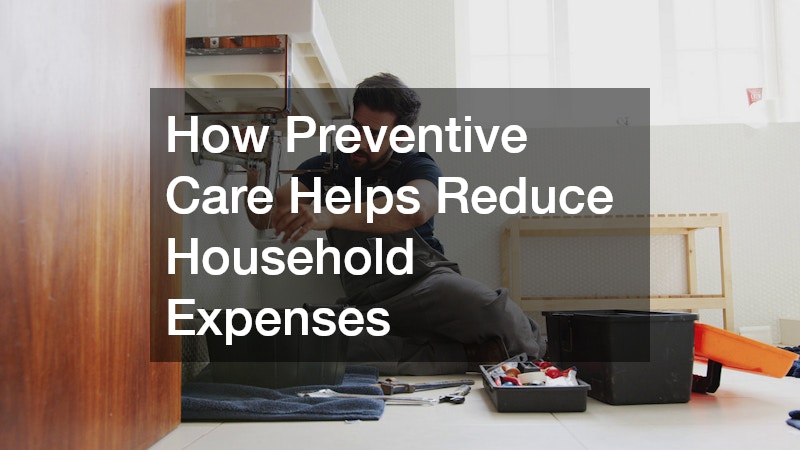
Many homeowners underestimate how much poorly maintained systems contribute to monthly expenses. Small inefficiencies gradually increase utility costs while shortening appliance lifespan.
Leaks are among the most common sources of unnecessary water waste. Even slow drips can waste thousands of gallons annually if left unresolved.
Preventive maintenance helps reduce expenses by improving:
- Water efficiency
- Drainage performance
- Appliance operation
- Water heater function
- Fixture lifespan
- Pipe durability
Efficient systems also place less strain on appliances such as dishwashers, washing machines, and water heaters. Reduced strain helps these appliances operate more effectively while minimizing wear on internal components.
Maintenance appointments may also identify opportunities for upgrades that improve long-term savings, including:
- Low-flow fixtures
- Pressure regulators
- Water-efficient appliances
- Pipe insulation
- Leak detection systems
- Improved shutoff valves
Regular upkeep can significantly delay the need for major replacements. Replacing entire plumbing systems or repairing structural water damage is far more expensive than maintaining existing infrastructure properly.
Insurance considerations also matter. Some homeowners’ insurance claims related to water damage may be denied if negligence or lack of maintenance contributed to the issue.
Maintaining documentation of inspections and repairs can help support future claims while demonstrating responsible property care.
Preparing Your Home For Seasonal Challenges
Seasonal weather changes place additional stress on plumbing systems throughout the year. Preparing for these conditions reduces the risk of emergencies and costly repairs.
Cold weather introduces freezing risks that may cause pipes to burst if they are not properly insulated. Frozen pipes create pressure buildup that can rupture lines and flood interior spaces.
Important winter preparation steps include:
- Insulating exposed pipes
- Disconnecting outdoor hoses
- Sealing air leaks near plumbing
- Maintaining indoor heating
- Draining irrigation systems
- Testing shutoff valves
Heavy rainfall also presents challenges for drainage systems and foundations. Poor exterior drainage may allow water to collect near the home, increasing the risk of basement flooding and structural damage.
Homeowners should regularly inspect:
- Gutters and downspouts
- Sump pumps
- Exterior drains
- Foundation grading
- Crawl spaces
- Basement moisture levels
Seasonal maintenance appointments provide opportunities to identify vulnerabilities before severe weather arrives.
Spring and summer maintenance may include:
- Checking outdoor faucets
- Inspecting irrigation lines
- Testing drainage flow
- Evaluating water pressure
- Clearing debris from drains
Fall preparation often focuses on:
- Pipe insulation
- Water heater inspection
- Outdoor drainage clearing
- Leak detection
- Shutoff valve testing
A proactive seasonal strategy helps homeowners avoid unexpected emergencies while improving year-round system reliability.
The Long-Term Value Of Consistent Maintenance

Consistent maintenance creates cumulative benefits that extend far beyond immediate repairs. Homes that receive regular professional attention tend to experience fewer emergencies, lower utility costs, and improved overall performance.
Well-maintained systems also support healthier living conditions by reducing excess moisture, preventing mold growth, and improving sanitation throughout the home.
Over time, preventive care contributes to:
- Greater property value
- Lower repair expenses
- Improved efficiency
- Longer appliance lifespan
- Better indoor comfort
- Reduced stress for homeowners
Routine service also provides peace of mind. Instead of worrying about hidden leaks or sudden failures, homeowners gain confidence that critical systems are functioning properly.
Maintenance becomes especially valuable during home sales as well. Buyers are often more comfortable purchasing properties with documented service histories and evidence of responsible upkeep.
Even small preventive actions produce meaningful long-term results when performed consistently. By investing in regular inspections, efficient repairs, and proactive care, homeowners protect both their properties and their financial stability.
Conclusion
Maintaining a safe and efficient home requires more than occasional repairs after problems appear. Preventive care helps homeowners identify vulnerabilities early, improve system performance, and avoid the financial burden of emergency damage. From drainage efficiency and moisture control to appliance longevity and seasonal preparation, professional support plays a critical role in preserving household reliability.
Consistent maintenance also creates healthier living environments, improves daily comfort, and protects long-term property value. By taking a proactive approach and scheduling regular inspections, homeowners can reduce stress, extend the life of critical systems, and keep their homes functioning smoothly throughout the year.