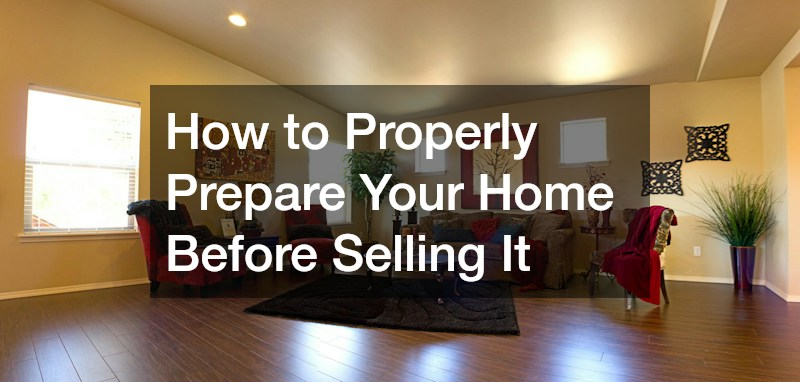
Preparing a home for the market requires a deliberate shift in perspective. To maximize your equity, you must transition from viewing your property as a personalized living space to presenting it as a marketable asset. Strategic pre-listing preparation creates a strong first impression, minimizes friction during buyer inspections, and ultimately leads to higher offers and faster closings.
By systematically evaluating and restoring your property from structural fundamentals to final aesthetic presentation, you ensure that prospective buyers focus on the value of the home rather than a mental checklist of upcoming repairs. This comprehensive guide outlines the essential steps to prepare your property for a successful sale.
Conducting a Comprehensive Pre-Sale Assessment

In an active real estate transaction, time is rarely on your side. Conducting a thorough pre-sale assessment shifts control back to you, granting the time needed to obtain multiple repair quotes, select reliable contractors, and execute fixes without compromising quality.
Start by evaluating the home’s exterior envelope:
-
Examine the siding, wood trim, and fascia boards for signs of rot, physical wear, or pest damage. Inspect ground-level trim for wood-to-earth contact that attracts wood-destroying insects.
-
Inspect gutters and downspouts to verify they are securely anchored, free of debris, and directing water at least five feet away from the foundation. Ensure downspout extensions are intact to prevent soil erosion and basement dampness.
-
Look for signs of roof degradation, such as sagging ridge lines, missing shingles, curling edges, or worn flashing around chimneys and vent pipes. Pay close attention to valley areas where leaves and moisture accumulate.
-
Hire certified roofing contractors to perform a professional roof evaluation if you suspect age-related wear or hidden leaks. A formal roof inspection report can serve as a strong selling point for buyers concerned about big-ticket replacements.
After completing the exterior audit, focus on the interior mechanical infrastructure:
-
Assess the age, operational condition, and service history of the main electrical panel, water heater, and heating and cooling units. Ensure electrical panels show no burn marks, rust, or ungrounded wiring.
-
Test all interior smoke detectors, carbon monoxide alarms, and ground-fault circuit interrupter outlets to ensure full functional compliance. Replace dated smoke alarms that are over ten years old.
-
Schedule a pre-listing consultation with trusted local contractors to evaluate any non-standard repairs, aging structural components, or unpermitted previous work. Addressing these items upfront prevents mid-escrow price reductions.
Restoring and Upgrading Essential Home Systems
Modern buyers prioritize move-in readiness and functional efficiency. Addressing the underlying mechanical systems of your home guarantees that essential services operate reliably and that indoor environmental quality meets high standards. Beyond surface-level cosmetics, proactive maintenance reassures prospective owners that they won’t face immediate, costly repairs after closing, significantly enhancing your home’s marketability and appraisal potential.
Heating and cooling systems are scrutinized heavily during buyer walkthroughs. A clean, efficient system demonstrates diligent property maintenance and provides immediate comfort during showings:
-
Filter Replacement: Replace all return air filters with fresh, high-efficiency filters to maximize airflow, reduce energy consumption, and eliminate trapped dust before visitors arrive.
-
Surface Cleaning: Vacuum around furnace blowers, clean supply registers, and wipe down external vent grates throughout every room to remove visible grime and present a crisp, clean appearance.
-
Deep Duct Sanitation: Hire specialized duct cleaning services to remove accumulated dust, pet dander, mold spores, and allergens from deep within the ventilation network, ensuring a clean, neutral scent throughout the property.
-
Thermostat & Component Check: Test programmable or smart thermostats to verify accurate temperature regulation, inspect condenser coils outdoors, and ensure the heat exchanger operates safely and quietly.
Simultaneously, thoroughly inspect all plumbing lines and fixtures to prevent unexpected water issues from disrupting your sale:
-
Cabinet & Line Audits: Look under every kitchen and bathroom sink for slow drips, corrosion on supply valves, or subtle moisture staining on cabinet floors that could signal active leaks.
-
Drainage & Pressure Testing: Test the water pressure, verify that drains clear quickly without gurgling, check water heater temperature and age, and ensure all toilets flush properly without continuous running.
-
Professional Remediation: Hire a professional plumbing company to repair minor pipe leaks, replace worn washer valves, re-caulk around tubs and showers, and clear stubborn main-line blockages prior to open houses.
Fixing Structural and Environmental Damage
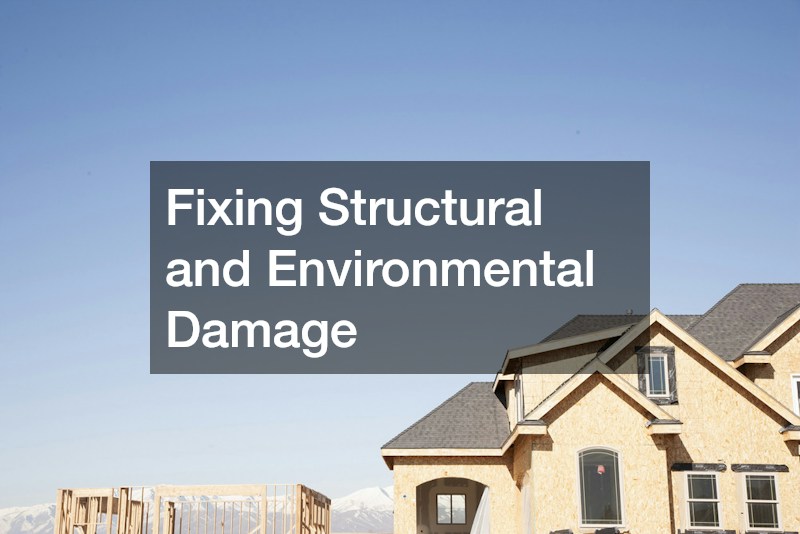
Unaddressed environmental hazards and structural deficiencies can severely diminish a home’s appraisal value and deter cautious buyers. Resolving these issues early preserves your home’s core structure, prevents catastrophic inspection report flags, and builds buyer confidence. Proactive remediation signals integrity, protecting your negotiating leverage and ensuring a smoother transaction from listing to closing.
Moisture intrusion is one of the leading causes of canceled real estate contracts. Dampness, water stains, and active leaks must be remediated immediately:
-
Comprehensive Inspection: Inspect basement walls, crawlspaces, roof valleys, and attic rafters for discoloration, efflorescence, timber rot, or lingering damp smells that indicate hidden moisture.
-
Proactive Defenses: Seal foundation hairline cracks, upgrade sump pump backup batteries, clear exterior grading and downspouts, and ensure crawlspace vapor barriers are intact and fully covering exposed soil.
-
Specialized Remediation: Engage certified water damage restoration professionals if you discover active mold growth, rotted subflooring, or widespread structural moisture saturation to receive transferable warranties.
-
Air Quality Verification: Conduct professional radon and mold air testing to confirm healthy indoor thresholds, providing documented proof of safety to hesitant prospects.
Beyond moisture management, evaluate any previous structural modifications or unfinished expansion projects across the property:
-
Permit Audits: Review local building permits to confirm that all past additions, structural alterations, electrical panel upgrades, or major deck installations were properly inspected, approved, and officially closed out.
-
Cosmetic Completion: Complete any half-finished remodeling projects, such as uninstalled baseboards, missing trim, exposed wiring, or incomplete drywall patching, to project a pristine, move-in-ready condition.
-
Structural Consultation: Consult licensed home builders or structural engineers to inspect load-bearing modifications, evaluate structural settling, or safely complete structural framing adjustments before listing.
Revitalizing Floors and Interior Surfaces

Flooring represents a significant portion of a home’s visual surface area. Worn, discolored, or damaged floors immediately suggest neglect, whereas clean, refreshed surfaces elevate the perceived quality of the entire interior. Updating or restoring these surfaces creates a lasting first impression, helping buyers envision themselves moving straight in without facing tedious, dusty renovation projects upon arrival.
Soft flooring materials require targeted attention to eliminate odors and restore visual appeal:
-
Detailed Surface Assessment: Inspect all carpeted areas for stubborn spots, pile crushing in high-traffic lanes, unraveling seams, and frayed edges along doorway transitions that require stretching or re-tacking.
-
Deep Mechanical Vacuuming: Vacuum thoroughly using high-suction equipment equipped with a fresh brush roll and HEPA filter to lift flattened fibers, capture fine dust, and enhance overall texture.
-
Professional Deep Extraction: Hire a professional carpet cleaning service to perform hot water extraction, lifting deeply embedded dirt, neutralizing stubborn pet odors, and restoring pile uniformity throughout bedrooms and living spaces.
-
Strategic Replacement: Consider replacing carpet that shows severe wear, heavy staining, or permanent matting with neutral, plush options to instantly brighten dark rooms.
Hard flooring surfaces require a different restoration strategy to look their best:
-
Squeak & Subfloor Repair: Secure loose floorboards and subflooring to eliminate annoying squeaks in high-traffic hallways, entryways, and staircases before open house walkthroughs.
-
Tile & Grout Refinishing: Replace cracked ceramic tiles, thoroughly clean discolored grout lines with specialized alkaline cleaners, and re-apply fresh grout sealer in kitchens and bathrooms to resist moisture.
-
Contractor Restoration: Schedule experienced flooring contractors to sand and refinish scratched hardwood floors, or install affordable, modern luxury vinyl planking over outdated or irredeemable surfaces to unify the interior design.
Refreshing Exterior and Interior Aesthetics
Visual presentation dictates buyer interest, online search engagement, and emotional connection during walkthroughs. A fresh coat of paint and a clean, accessible exterior set a welcoming tone before a buyer ever steps through the front door. These visible upgrades signal to potential buyers that the property has been meticulously cared for, encouraging higher initial offers and minimizing room for lowball negotiations.
Repainting interior walls is one of the highest-ROI improvements a seller can make:
-
Strategic Color Selection: Select bright, neutral paint colors—such as warm whites, soft grays, or light beige—that reflect natural light, make spaces feel larger, and allow buyers to easily visualize their own furniture.
-
Surface Preparation: Fill nail holes, patch drywall dents, repair settling hairline cracks, and sand all patches smooth before applying high-quality primer and uniform finish coats.
-
Precision Trim & Accent Refresh: Hire a local painting service to repaint worn baseboards, interior doors, window casings, and high-traffic walls with precision, delivering crisp, clean lines that project fine craftsmanship.
-
Ceiling & Light Optimization: Touch up water-stained or dingy ceilings with flat white paint to brighten rooms and enhance overall vertical space perception.
Curb appeal begins at the street line. The condition of your driveway, front entry, and front walkway dictates a buyer’s initial reaction:
-
Landscaping Refinement: Edge lawns along driveways and walkways, trim back overgrown shrubs blocking windows, clear debris, and refresh garden beds with dark, clean mulch for sharp visual contrast.
-
Exterior Deep Clean: Power wash the front porch, entry siding, garage doors, and front steps to eliminate dirt, spiderwebs, pollen, and mildew accumulated over seasons.
-
Hardscape Restoration: Work with residential paving contractors to fill asphalt cracks, apply a fresh sealcoat to the driveway, repair uneven walkway pavers, and repaint or replace the front door hardware to create a polished entrance.
Decluttering, Depersonalizing, and Staging
Once structural and cosmetic updates are complete, focus on optimizing interior spatial flow. The goal is to make every room feel as spacious, bright, and functional as possible.
Decluttering is an essential prerequisite for effective home staging:
-
Apply the 50% rule: remove half of the items currently stored in closets, cabinets, and pantries to showcase ample storage capacity.
-
Clear all kitchen and bathroom countertops completely, leaving out only a minimal selection of decorative items.
-
Donate, sell, or rent an off-site storage unit to store excess furniture, seasonal clothing, and extra household supplies.
Depersonalizing allows prospective buyers to mentally project their own lives into the space:
-
Remove family portraits, diplomas, personal collections, and distinctive religious or political items.
-
Pack away personalized children’s artwork, refrigerator magnets, and custom name plaques.
-
Keep decor minimal, tasteful, and universally appealing throughout living spaces.
Strategic home staging highlights the architecture and functionality of each room:
-
Arrange furniture to define clean traffic pathways and emphasize room focal points, such as fireplaces or large windows.
-
Position seating groups to create conversation areas rather than pushing all furniture against the walls.
-
Use light-colored throw blankets, neutral accent pillows, and fresh flowers to add subtle warmth without cluttering surfaces.
Final Pre-Listing Checklist and Showing Readiness

In the days leading up to professional photography and showings, execute a comprehensive deep clean and fine-tune environmental details to ensure your home presents flawlessly.
Perform an exhaustive, top-to-bottom interior cleaning:
-
Wipe down light switches, door handles, baseboards, door frames, and cabinet hardware.
-
Wash windows inside and out, including screens and window sills, to maximize natural daylight.
-
Scrub bathroom fixtures, tile grout, glass shower doors, and porcelain sinks until spotless.
Optimize indoor lighting and atmosphere throughout the property:
-
Replace all burned-out light bulbs with matching color-temperature LED bulbs (3000K warm daylight is ideal for residential spaces).
-
Open all blinds, shades, and drapes fully prior to showings to maximize natural light penetration.
-
Maintain a neutral indoor climate, setting the thermostat to a comfortable temperature year-round.
-
Eliminate pet or cooking odors naturally by opening windows for fresh air rather than masking smells with heavy artificial sprays.
Prepare the property for high-resolution photography and buyer walkthroughs:
-
Tuck away pet beds, crates, food bowls, and litter boxes out of sight.
-
Hide all trash cans inside pantries, closets, or the garage.
-
Lower all toilet lids, align bathroom towels neatly, and remove personal hygiene products from shower stalls.
Properly preparing your home before placing it on the market requires time, effort, and strategic investment, but the financial returns are clear. By systematically addressing structural maintenance, system efficiency, visual aesthetics, and spatial presentation, you transform your property into a highly desirable product.
Taking a thorough, proactive approach eliminates potential deal-breakers, reduces buyer leverage during negotiations, and positions your home to command top market value. With your property fully restored, beautifully presented, and ready for inspection, you can move forward into the listing phase with total confidence.