
The ink is dry on the closing papers, the keys are heavy in your hand, and you are officially a homeowner. Walking through the empty rooms of your new property brings an undeniable rush of accomplishment. However, once the initial wave of excitement settles, a shift in perspective naturally occurs. You look around and notice the slight hum of an aging appliance, a scratch on the baseboard, or a gutter that looks a bit loose. The reality of homeownership quickly sets in: you are now the captain of this ship, and every maintenance task, minor repair, and major upgrade falls squarely on your shoulders.
Securing the Envelope: Critical Exterior Updates
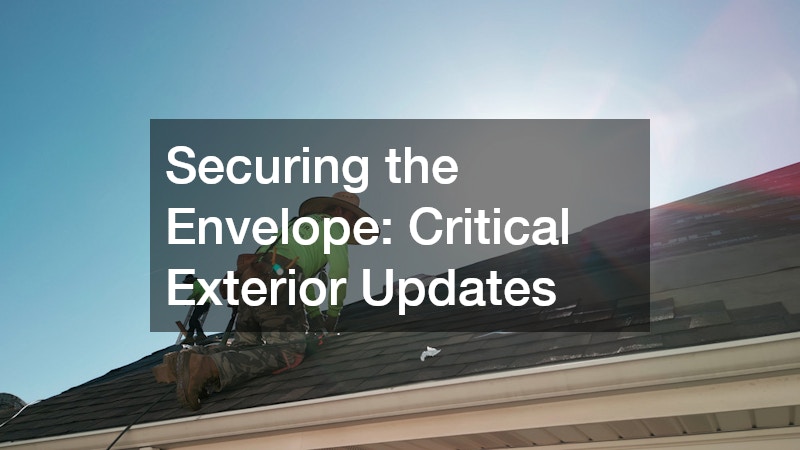
The exterior shell of your home is its first line of defense against wind, rain, temperature swings, and external intruders. Neglecting the structural envelope during your first few months can lead to catastrophic, compounding damage inside your walls later on. Prioritizing exterior security and weatherproofing ensures that any interior renovations you undertake remain completely protected from the elements.
Stop leaks before they start: The roof inspection
Water is a homeowner’s greatest enemy, and a compromised roof is an open invitation for moisture damage, wood rot, and toxic mold growth. Even if your home inspector noted that the roof was in acceptable condition, a deeper seasonal assessment is essential for long-term peace of mind.
-
Inspect the flashing around chimneys, dormers, and valleys where different roof planes intersect, as these are the most common failure points.
-
Walk through your attic with a flashlight during a heavy downpour to search for active drips or damp joists that may not have stained the ceiling drywall yet.
-
Clear out gutters and downspouts completely to ensure water flows efficiently away from your foundation rather than pooling at the roof edge.
While minor shingle replacements can occasionally be managed as simple DIY projects, complex structural assessments require specialized eyes. Enlisting a licensed roofing contractor during your first few months provides a definitive baseline of your roof’s remaining lifespan and catches small flashing failures before they turn into major structural expenses.
Fortifying your perimeter: Boundary security and privacy
A secure perimeter does more than just establish clear boundaries with your neighbors; it provides safety for pets, creates a secure play area for children, and significantly boosts your home’s curb appeal. Before you make any physical modifications to your yard, always review your local zoning laws, obtain the necessary municipal permits, and consult your Homeowners Association guidelines to avoid costly fines or mandatory tear-downs.
-
Locate your official property pins or hire a surveyor to map out your boundary lines precisely, preventing future legal or personal disputes with neighbors.
-
Choose durable, climate-appropriate fencing materials, opting for vinyl or treated wood in high-moisture regions to resist rot and warping.
-
Plan your access gates strategically, ensuring they are wide enough for lawnmowers, landscaping equipment, and outdoor furniture deliveries.
Once your boundaries are verified and your design is set, hiring a professional residential fence service ensures that the posts are set to the correct depth below the frost line. This prevents the entire structure from leaning, shifting, or collapsing under heavy wind loads over time.
Optimizing Climate and Power: High-ROI Infrastructure Upgrades

The hidden systems running behind your drywall and inside your utility closets dictate your daily quality of life and your monthly operating costs. Upgrading these core infrastructural elements during your first year maximizes energy efficiency and prevents dangerous system failures when you least expect them.
Modernizing your power grid: Handling the electronic load
Modern households place an unprecedented demand on electrical infrastructure. Between high-powered kitchen appliances, home theaters, home offices, and electric vehicle charging ports, older electrical systems can easily become overloaded, creating inconvenient breaker trips and genuine fire hazards.
-
Map and label your main breaker panel immediately so you know exactly which switch controls each room during an emergency or minor repair.
-
Test all Ground Fault Circuit Interrupter outlets in your kitchen, bathrooms, and laundry rooms to ensure they cut power instantly when exposed to moisture.
-
Count the number of outlets in your primary living spaces to identify where you might be overly reliant on dangerous, overloaded extension cords.
If your home features older electrical setups, such as an outdated fuse box or hazardous aluminum wiring, you need professional intervention. Booking a team of certified electricians to evaluate your total service capacity and update your wiring guarantees that your system can handle modern technology safely.
Mastering climate control: Airflow and temperature efficiency
Maintaining a comfortable indoor environment shouldn’t require you to empty your bank account every month. A few proactive updates to your heating and cooling systems can dramatically slash your utility bills while extending the operational lifespan of your mechanical equipment.
-
Replace all return air filters on the day you move in, and establish a recurring calendar reminder to swap them out every ninety days.
-
Install a programmable smart thermostat to automatically adjust temperatures when you are asleep or away from home, saving up to fifteen percent annually on energy bills.
-
Seal air leaks around windows, exterior doors, and attic hatches using high-quality weatherstripping and silicone caulk to eliminate draft zones.
Beyond these simple routine tasks, scheduling a comprehensive seasonal tune-up with a qualified HVAC contractor is an invaluable investment. They can clean buried evaporator coils, calibrate your furnace burners, and check refrigerant levels to ensure your system operates at peak mechanical efficiency before extreme seasonal weather hits.
Clearing the Canvas: Cleanliness, Safety, and Pest Prevention

Before you fully unpack your belongings and settle into your daily routine, you need to ensure your home is truly a blank slate. This involves addressing hidden biological threats and purging the accumulated debris left behind by previous occupants or recent moving crews.
Evicting hidden tenants: Invisible property protection
Many homeowners overlook the reality that pests often move into a vacant property between the listing period and the official move-in date. Insects and rodents can quietly compromise your home’s structural components, destroy insulation, and introduce unwanted allergens into your indoor air supply.
-
Examine the backs of your kitchen and bathroom cabinets for tiny droppings, chewed drywall edges, or shredded paper nests.
-
Seal all exterior utility penetrations, weep holes, and foundation cracks using a combination of steel wool and expanding polyurethane foam.
-
Keep your home’s perimeter clear by trimming tree branches and dense shrubs at least two feet away from your siding to eliminate natural pest bridges.
Because many invasive pests build hidden nests deep inside wall cavities or beneath floorboards, a visual DIY inspection isn’t always enough. Partnering with a local pest control technician for an initial preventative perimeter treatment establishes an invisible barrier that protects your family and your property from day one.
Purging the leftovers: Managing move-in debris and old junk
Moving generates an astonishing amount of waste, from hundreds of flattened cardboard boxes and plastic wrap to leftover construction materials, old paint cans, and broken furniture abandoned by the previous owners in the deep recesses of the basement or crawlspace.
-
Consolidate all unwanted materials into a designated, accessible staging area in your driveway or garage to assess the total volume of waste.
-
Separate hazardous household materials like old motor oil, liquid paint, and dead batteries from standard trash, as these require specialized eco-friendly disposal.
-
Break down all cardboard boxes completely and stack them neatly to see if local moving groups or neighbors can reuse them before tossing them out.
When the sheer volume of accumulated junk becomes too large for a standard curbside recycling bin, trying to haul it to a municipal landfill yourself can waste days of your time. Utilizing a professional garbage removal service lets you clear out a massive amount of debris in a single afternoon, giving you immediate access to your storage spaces.
Functional Accessibility: Fixing Everyday Moving Parts

A home is a collection of moving mechanical parts that require regular lubrication, calibration, and maintenance to operate safely and reliably. Focusing on these high-traffic access areas prevents frustrating daily inconveniences and enhances your home’s total energy independence.
Secure the largest moving wall: Entry mechanism safety
Your garage door is likely the largest, heaviest moving object in your entire home, serving as a primary entryway for your vehicles and a critical security barrier against intruders. Because it operates under immense mechanical tension, ignoring signs of wear can lead to sudden, hazardous failures.
-
Test the auto-reverse safety sensors by placing a solid block of wood on the ground in the door’s path; it should reverse instantly upon contact.
-
Clean the metal tracks with a dry cloth to remove dirt buildup, then lubricate the rollers and hinges with a high-quality lithium or silicone spray.
-
Check the balance of the door by pulling the emergency release cord and lifting it halfway manually; it should stay in place without sliding down or flying up.
If the door fails to stay balanced, or if you hear loud popping noises from the heavy overhead springs, you should never attempt to tighten them yourself. Contacting a specialist who focuses on garage door repair is essential, as adjusting these high-tension components requires specific tools and expert training to prevent severe injury.
Future-proofing your utility bills: Transitioning to clean energy
Once your immediate structural repairs are settled, look toward the future of your property’s operating costs. Transitioning away from total reliance on the traditional power grid is one of the most effective ways to shield your household from rising energy inflation.
-
Review your previous property disclosures or ask utility providers for the past twelve months of energy bills to understand your baseline consumption patterns.
-
Check your roof’s orientation to determine if you have a large, unobstructed south- or west-facing plane that receives maximum daily sunlight.
-
Investigate current federal, state, and local tax credits, which can often offset a significant portion of the upfront cost of green energy upgrades.
After evaluating your home’s solar potential, integrating custom solar panels into your roof infrastructure can systematically reduce or completely eliminate your monthly electrical expenses while dramatically boosting your property’s long-term market value.
Personalizing the Interior: Tailored Aesthetics and Character
Once the structural envelope is completely secure and your primary utility systems are running efficiently, you can comfortably transition your focus to the interior. Personalizing your living spaces allows you to tailor light, privacy, and architectural style to match your family’s unique lifestyle.
Controlling light and privacy: Moving beyond basic plastic blinds
Window coverings are frequently treated as an afterthought, yet they play a dual role in your home’s daily comfort. Beyond blocking out early morning sunlight or the prying eyes of passersby, high-quality window features provide critical thermal insulation for your glass panes.
-
Measure the inside width and height of your window frames at three distinct points, as older homes often settle and frames are rarely perfectly square.
-
Select cordless, motorized, or top-down cellular shades for your bedrooms to balance natural daylighting with total nighttime privacy.
-
Coordinate the texture and color of your window elements with your interior wall paint to create a cohesive, intentional visual flow throughout each room.
Standard, pre-cut plastic blinds from a big-box retail store often look flimsy and fail to seal the window edges properly. Investing in a professional custom window treatment for your main living areas elevates the entire aesthetic of your home while maximizing your interior climate control.
Adding architectural warmth: Choosing sustainable accent materials
A newly bought house truly begins to feel like a home when you infuse it with unique architectural character. Adding tactile warmth and visual texture to plain drywall surfaces creates a sophisticated, timeless environment that stands out from generic modern renovations.
-
Identify key focal points in your home, such as a fireplace surround, a dining room accent wall, or open kitchen shelving, that could benefit from natural textures.
-
Choose accent materials that contrast beautifully with your existing furniture, blending rustic warmth with clean, contemporary lines.
-
Focus on durability and sustainability when selecting wood elements, opting for materials that tell a unique story rather than mass-produced plastics.
To achieve an organic, high-end look without contributing to deforestation, sourcing your accent materials through a specialized reclaimed wood service is an exceptional choice. Repurposed timber from historic structures brings unmatched grain patterns, deep color variations, and eco-friendly character to your interior spaces.
Embarking on the journey of repairing and upgrading your newly bought home can feel like a daunting venture, but it is ultimately one of the most rewarding projects you will ever undertake. By approaching your property with a clear triage strategy, you can confidently check off essential tasks without stretching your budget or your patience to the breaking point. Focus your initial energy on securing your exterior envelope, optimizing your internal systems, and creating a clean, safe environment. As those fundamental layers are established, you can gradually move toward functional accessibility and custom interior design. Remember that building your dream home is a gradual marathon rather than an overnight sprint. Taking the time to care for these essential components safeguards your financial investment, provides unparalleled peace of mind, and cultivates a beautiful, efficient space where your family can thrive for decades to come.