Maintaining the condition of a home’s roof is crucial for protecting your investment and ensuring the safety of its occupants. Over time, all roofs experience wear and tear, which can lead to various issues that may necessitate a roof replacement. Recognizing the signs that indicate it’s time to hire professional roofers is essential in preventing further damage and extending the longevity of your home.
The decision to replace a roof is not solely based on aesthetics; it involves assessing structural integrity and potential risks. Homeowners need to be aware of the key indicators that signal the need for roof replacement, as well as the consequences of delaying such action.
This article will explore the top signs that a roof needs replacement and provide valuable insights into the process of hiring roofers.
Once the signs of roof deterioration have been identified, finding qualified and trustworthy professionals becomes pivotal. This involves not only understanding the risks associated with postponing roof replacement but also knowing what to look for in a roofing contractor. Join us as we delve into these essential topics and equip you with the knowledge to make informed decisions about your roof’s future.
1. How do I know when my roof needs replacing?
One of the first signs that a roof may need replacing is the presence of shingles that are cracked, curled, or missing. These symptoms are often indicative of aging materials that can no longer protect the home effectively. Additionally, noticing granules in gutters could suggest that shingles are degrading, which affects the roof’s ability to shield against weather elements. Frequent leaks and visible damage after storms are also strong indicators that intervention is required. It’s important to address these issues promptly to prevent further damage to the structure and interior of the home.
Another important sign to look for is sagging or unevenness in the roofline, which typically indicates structural damage. When a roof sags, it’s often due to underlying issues with the decking in the attic or framing components. Such structural insufficiencies pose safety hazards and can lead to more serious problems if not addressed in a timely manner. Furthermore, inspecting the attic for signs of sunlight through the roof boards or moisture intrusion can reveal vulnerabilities. Early detection of these issues can save homeowners from costly repairs and complications down the line.
Finally, the age of the roof is a decisive factor in determining whether replacement is necessary. Most asphalt shingle roofs have a lifespan of 20 to 25 years, while materials like metal or tile can last longer. If your roof is approaching or has surpassed its expected lifespan, it’s prudent to consider a replacement even if it appears to be in decent condition. Proactively replacing an old roof before critical failures occur can prevent emergencies and preserve the home’s value. Regardless of visible condition, age alone can be a compelling reason to plan a replacement with professional roofers.
2. What are the risks of delaying a roof replacement?
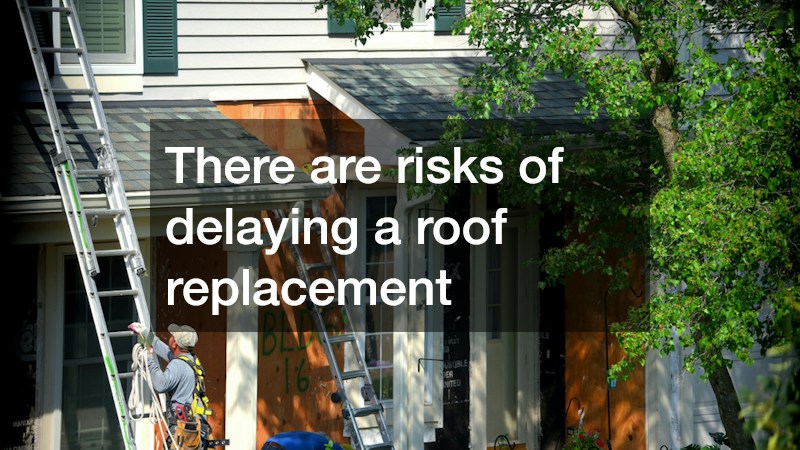
Delaying a necessary roof replacement can lead to a host of problems, the most immediate being water damage and leaks. Water intrusion can compromise the interior structure of a home, leading to rot and weakening of key elements such as rafters and joists. Over time, this moisture can foster the growth of mold, posing health risks to the occupants and decreasing air quality. Mold remediation can be expensive and labor-intensive, exponentially raising the cost of what might have been a straightforward roof replacement. Addressing leaks promptly by opting for timely roof replacement with professional roofers minimizes these risks significantly.
In addition to water damage, delaying roof replacement can affect the energy efficiency of a home. A deteriorating roof with poor insulation and ventilation properties can lead to higher energy consumption, as heating and cooling systems must work harder to maintain desired temperatures. This not only increases utility bills but also reduces comfort levels within the living space. Investing in a roof replacement can enhance your home’s insulation capabilities and decrease energy costs, providing long-term savings. Overall, procrastination can have both immediate financial impacts and long-term adverse effects on home sustainability.
Another significant risk of delaying roof replacement involves the exacerbation of existing structural damage. When a roof begins to fail, it can transfer stress to other parts of the building, such as walls and foundations. This additional strain can lead to foundation settlement and wall cracks, requiring costly structural repairs. The longer the roof is ignored, the more pervasive the damage becomes, escalating repair costs and threatening the overall integrity of the home. Engaging professional roofers for timely roof replacement helps ensure the longevity and safety of the entire structure.
3. What should I consider when choosing a roofing contractor?
Selecting the right roofing contractor is paramount to ensuring a successful roof replacement project. First and foremost, it’s essential to verify the contractor’s credentials, including licensing, insurance, and industry certifications. Proper credentials not only demonstrate professionalism but also provide a level of protection against accidents or contractor negligence. Additionally, homeowners should seek out contractors who can provide references or a portfolio of completed projects, offering insight into their experience and workmanship quality. A reputable roofer will stand behind their work and possess a track record of satisfied clients.
Communication and transparency are critical factors to consider when hiring a contractor. The contractor should be open to discussing all aspects of the roofing project, including detailed estimates, timelines, and material options. Being on the same page about expectations, potential challenges, and scheduling helps avoid misunderstandings during the project. A contractor willing to answer questions and explain their processes is likely to be dependable and committed to delivering quality work. Establishing a good rapport with the contractor from the outset lays the foundation for a successful collaboration.
Finally, consider the warranties and guarantees offered by the roofing contractor on both labor and materials. A solid warranty provides peace of mind that if something goes wrong, the contractor will rectify the issue without additional cost to the homeowner. Reviewing warranty details beforehand ensures clarity on coverage, duration, and conditions that apply. This can further differentiate between contractors and highlight those who truly stand by their service. It’s wise to choose a roofing contractor whose warranty aligns with your needs and provides assurance of their commitment to quality workmanship.
4. How much should I expect to pay for a roof replacement?
The cost of a roof replacement varies widely depending on factors like the size of the roof, materials chosen, and geographical location. Generally, asphalt shingle roofs are among the most economical options, with prices that can range from $5,000 to $10,000 for an average-sized roof. In contrast, metal, tile, and slate can be significantly pricier due to both material costs and the specialized labor required for installation. It’s important to obtain multiple quotes from different contractors to understand the market rate and ensure competitive pricing. Budgeting for unexpected expenses is also recommended, as hidden issues can arise once the old roof is removed.
While the initial cost might seem substantial, investing in quality materials and skilled installation can result in a durable roof that provides value over time. High-quality roofing materials often come with longer warranties, offering greater peace of mind and potentially reducing long-term maintenance costs. Furthermore, considering energy-efficient materials could lead to substantial savings on utility bills over the years. Homeowners should also investigate whether their insurance policy covers some of the replacement costs in cases of damage from covered events. By taking a holistic view of the costs and benefits, homeowners can make informed decisions that balance immediate expenses with future savings.
Additionally, financing options provided by roofing companies or financial institutions offer flexibility to homeowners concerned about upfront costs. Many contractors offer payment plans or collaborate with lenders to provide affordable financing solutions tailored to fit different budgets. Exploring these options can make the roof replacement process more manageable financially. Ensuring that financing arrangements and any associated interest rates are clearly understood is essential before committing. These strategies can ease the financial burden while enabling homeowners to proceed with necessary roof work without delay.
5. How long does a roof replacement take?
The duration of a roof replacement project can vary based on several conditions, typically spanning from a few days to over a week. Factors affecting this timeline include the size and complexity of the roof, the weather conditions, and the availability of materials. On average, a straightforward asphalt shingle replacement on a standard-sized home can be completed in three to five days. However, complex projects, such as those involving intricate roof designs or additional repairs, may extend the timeline considerably. Planning for contingencies such as bad weather is advised, as it can unexpectedly delay progress.
Adequate preparation and scheduling by the roofing contractor can significantly enhance efficiency and minimize disruptions. Experienced contractors will provide a clear timeline upfront and work diligently to adhere to their schedule. They will also ensure that any necessary permits are obtained ahead of time to avoid delays. Communication between the homeowner and the roofing contractor throughout the process is crucial for managing expectations and addressing any unforeseen challenges. Engaging a responsible and systematic approach ensures a smooth workflow and timely completion of the roof replacement.
Despite the potential for delays, it’s vital that roofers prioritize quality over speed to guarantee satisfactory results. Rushing the installation can lead to mistakes that compromise the integrity and performance of the new roof. Ensuring each stage is executed with precision helps to extend the roof’s lifespan and effectiveness. Selecting experienced professionals who balance efficiency with meticulous installation will yield the best long-lasting results. Keeping the focus on quality ensures that the roofing investment delivers durability and reliability for years to come.
In summary, recognizing the signs that a roof needs replacement is essential for maintaining your home’s structural integrity and value. Timely intervention by hiring professional roofers prevents extensive damage, ensures safety, and enhances the overall living environment. As explored, understanding the risks of delays, selecting the right contractor, budgeting for expenses, and anticipating the project timeline are all critical components of a successful roof replacement.
Proactively addressing roofing issues safeguards against the array of possible complications, from water damage to energy inefficiency and structural decay. An informed approach to hiring professional roofers not only ensures the seamless execution of your roof replacement but also provides peace of mind. With the right knowledge and professionals by your side, securing a durable and reliable roof is a straightforward endeavor.
Ultimately, the investment in a roof replacement is an investment in the safety and longevity of your home. By following expert guidance and scheduling regular inspections, homeowners can prevent small issues from escalating into major problems. Take initiative now to consult with roofing experts and embark on a journey toward a secure and sound living space.