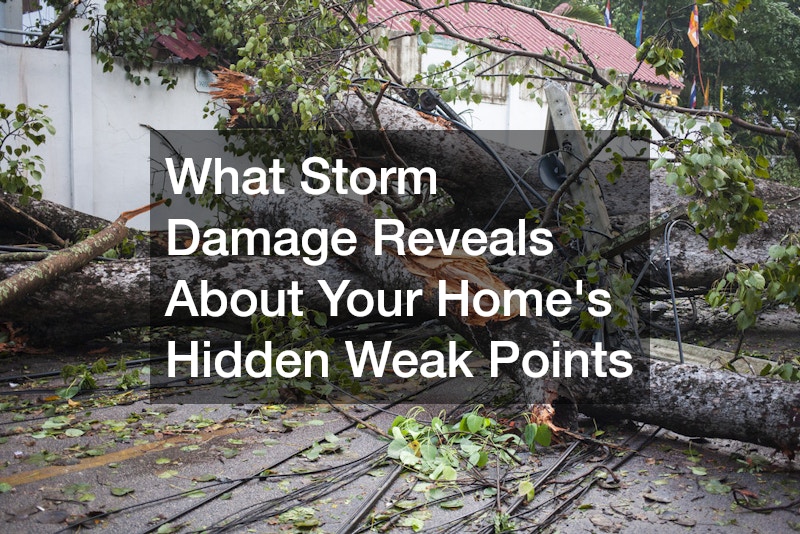
A bad storm doesn’t just pass through your neighborhood, it runs a stress test on every part of your house at once. The wind, rain, and debris find every loose shingle, weak seal, and aging system you may have forgotten about. Instead of just patching what’s visible and moving on, a closer look at storm damage can tell you exactly where your home is vulnerable. Understanding these weak points now can save you from repeat damage, higher repair bills, and unpleasant surprises during the next big storm.
Roof Damage Signals Bigger Structural Issues
Your roof takes the brunt of any storm, and the damage you see after high winds or hail is often just the visible tip of a larger problem. Missing shingles, granule loss, or soft spots in the decking usually mean water has already found its way underneath the surface. If storms keep causing the same type of damage in the same spot, that’s a sign of an underlying weakness rather than bad luck. Getting a professional roof repair after a storm isn’t just about fixing what’s obvious, it’s about catching soft decking, damaged flashing, or ventilation issues before they turn into a full replacement.
Homeowners often wait too long because roof damage isn’t always dramatic. A few curled shingles or a small leak stain on the ceiling can be the first warning of a much larger issue building above.
- Granule buildup in gutters or downspouts after a storm
- Water stains on ceilings that appear days after rain
- Shingles that look curled, cracked, or completely missing
- Soft or spongy spots when walking on the roof
- Daylight visible through the attic boards
Gutter and Drainage Failures After Heavy Rain
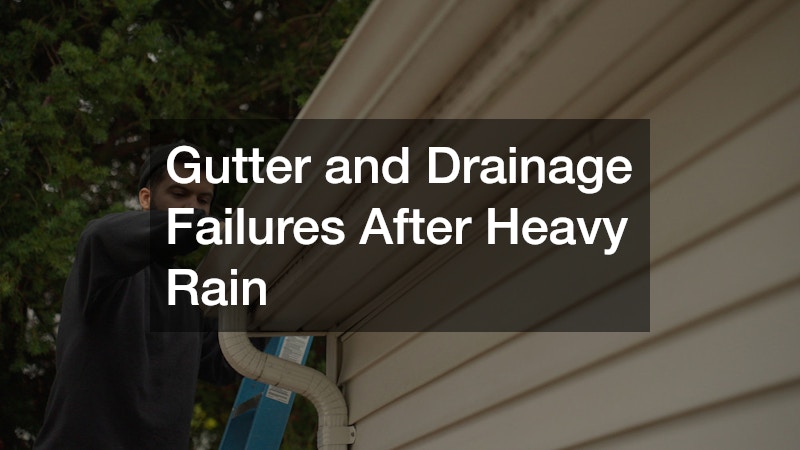
When storms dump heavy rain in a short period, your gutter system reveals whether it’s actually doing its job. Overflowing water along the roofline often means gutters are clogged, undersized, or pulling away from the fascia board. A properly sized gutter should handle roughly one inch of rainfall per hour without spilling over, so if you’re seeing waterfalls during average storms, your system is likely undersized for your roof’s square footage.
This is one of the clearest signs that your home needs a seamless gutters service, since traditional sectional gutters are more prone to leaks at the seams that widen over time with repeated storm stress. Seamless systems, custom-fitted to your home’s exact dimensions, eliminate those weak joints entirely and hold up better under the weight of debris and standing water.
Sagging gutters or visible pooling near downspouts are other red flags worth checking after every major storm. Pull-away spots at the fascia often signal rotted wood underneath, which means the damage extends beyond the gutters themselves.
Poor drainage doesn’t just affect the roofline, it can lead to foundation erosion, siding damage, and basement flooding if left unaddressed. Downspouts that dump water within a few feet of the foundation are especially problematic, since that concentrated flow can undermine soil stability and create cracks that widen with every subsequent storm.
A properly functioning gutter system should move water quickly and quietly away from your home’s foundation, directing it at least 3 to 5 feet away through downspouts and extensions. When that system works as intended, you rarely think about it. But heavy storms have a way of exposing every weak seam, loose joint, and undersized downspout in the setup.
If you notice pooling near your foundation walls, erosion in your flower beds, or water stains on your siding after every storm, it’s worth having your entire system inspected rather than just cleaned out. A clogged gutter is an easy fix, but recurring overflow often points to something more structural: gutters pitched incorrectly, undersized for your roof’s square footage, or pulling away from the fascia board entirely.
Pay close attention to a few common culprits. Gutters should slope roughly a quarter-inch for every 10 feet to keep water moving toward the downspouts, and even a slight sag from loose hangers can cause standing water and premature rust. Downspouts that dump water within a foot or two of the foundation are also a frequent cause of basement seepage, even when the gutters themselves are functioning fine.
It’s also worth checking what’s happening underground. Buried drainage lines and splash blocks can shift or clog with sediment over time, silently redirecting water right back toward your foundation instead of away from it. A quick dye test or a walk-through during an actual rainstorm can reveal problems no visual inspection will catch.
- Overflow lines or dark streaking on siding beneath the gutters, signaling water is spilling over rather than draining through the downspouts
- Sagging sections that pull away from the roofline, often where hangers have loosened or the fascia board underneath has started to rot
- Water pooling near the foundation after rainfall, especially within 3-5 feet of the house, which points to downspouts that empty too close or extensions that have gone missing
- Rust spots or visible seams that have started to separate, particularly at corners and end caps where two pieces of gutter join
- Granules or roofing debris clogging the gutter troughs, a sign shingles are shedding and drainage capacity is shrinking over time
- Basement dampness or musty odors after storms, which often trace back to gutters dumping water right where the foundation can’t shed it
Foundation Cracks and Water Intrusion Points
Storms with heavy, sustained rainfall put pressure on your foundation that you might not notice until months later. Small hairline cracks can widen when soil around your home repeatedly saturates and dries, and water intrusion through these cracks can lead to mold, musty odors, and structural instability. If you notice new cracks after a major storm, it’s worth having them evaluated before the next round of wet weather makes them worse.
Foundation problems are rarely just cosmetic. They often point to grading issues around your property or drainage systems that aren’t directing water away effectively, which means the fix may involve more than just filling a crack.
- Cracks that appear wider at the top than the bottom
- Doors or windows that stick after a storm
- Musty smells in basements or crawl spaces
- Visible water lines on basement walls
Garage Floor Damage From Flooding and Runoff
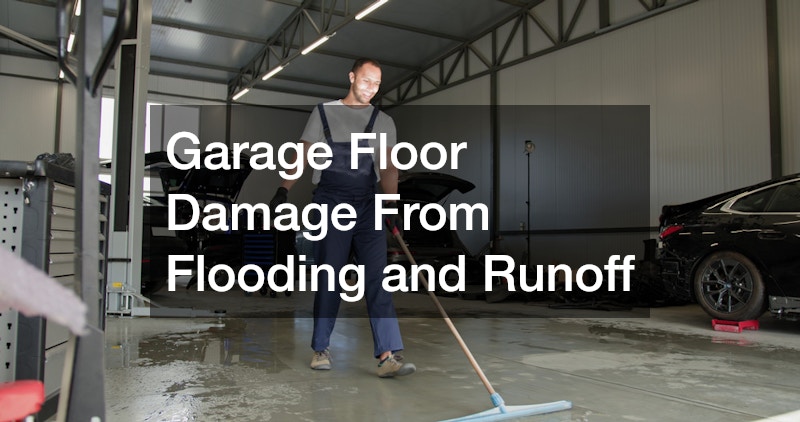
Garages are often the lowest point of entry for storm water, and a flooded or repeatedly damp garage floor can hide long-term concrete damage. Standing water breaks down untreated concrete over time, leading to cracking, pitting, and dusting on the surface. Homeowners who invest in an epoxy garage floor coating often find it holds up far better against water intrusion, since the sealed surface resists moisture penetration that would otherwise seep into porous concrete. This is especially useful if your garage tends to collect runoff during heavy storms due to sloped driveways or nearby low ground.
- Efflorescence, or white chalky residue, on concrete surfaces
- Cracks that widen after freeze-thaw cycles following storms
- Persistent dampness even days after the rain stops
- Peeling or flaking on painted concrete surfaces
Well Water Contamination and Supply Disruptions
If your home relies on a private well, storms can reveal problems with your water supply that you never knew existed. Flooding and heavy runoff can introduce bacteria, sediment, or surface contaminants into your well, especially if the wellhead isn’t properly sealed or elevated. A sudden change in water color, smell, or taste after a storm is a strong signal that your system needs testing right away. In some cases, storm damage exposes the need to call a water well drilling company to assess whether the well casing has cracked or the water table has shifted enough to affect supply.
Beyond contamination, storms can also damage the mechanical components of a well system, including pumps and pressure tanks. Power outages combined with flooding can create a perfect storm, literally, for well equipment failure.
- Cloudy, discolored, or foul-smelling water after storms
- A noticeable drop in water pressure following heavy rain
- Visible flooding or pooling around the wellhead
- Unusual sounds from the pressure tank or pump system
Whole Home Water Quality Changes After Major Storms
Even homes on municipal water aren’t immune to storm-related water quality issues. Heavy rainfall can overwhelm treatment plants, leading to temporary boil advisories or noticeable changes in chlorine taste and odor. If you’ve noticed your water tastes or smells different after significant storms, it may be time to look into home water filtration systems that can act as an added layer of protection against these fluctuations. Filtration systems are particularly useful for households that have experienced repeated advisories or live in areas prone to flooding near water treatment infrastructure.
It’s easy to assume that once an advisory lifts, the problem is solved, but sediment and mineral changes can linger in your pipes for weeks. A simple water test after a major storm can help you decide whether filtration upgrades are worth the investment for long-term peace of mind.
- Sudden changes in water taste, smell, or clarity
- Increased sediment buildup in faucet aerators
- Repeated boil water advisories in your area
- Visible discoloration in water used for laundry
Exterior Surface Wear From Wind Blown Debris
High winds during storms don’t just move loose branches, they send grit, gravel, and small debris across siding, brick, and outdoor structures at damaging speeds. Over time, this can wear down protective coatings and leave surfaces looking dull, stained, or pitted. Many homeowners are surprised to learn that sandblasting services can restore heavily weathered brick, stone, or metal surfaces without the need for full replacement. This approach is often used on fences, exterior brick, and even outdoor furniture that has taken repeated abuse from storm debris over the years.
- Pitting or roughness on brick and stone surfaces
- Faded or stripped paint on fences and railings
- Rust spots on metal fixtures exposed to wind driven debris
- Grime buildup that regular cleaning can’t remove
Patio and Outdoor Living Space Structural Stress

Outdoor living spaces often take a beating during storms, especially if they include pergolas, uneven pavers, or aging concrete slabs. Heavy rain can wash out the base material beneath pavers, causing shifting or sinking that becomes a tripping hazard once the water recedes. Even a half-inch of settling can be enough to catch a toe or send a patio chair rocking, and these shifts tend to worsen with each subsequent storm.
Pergolas and other overhead structures face their own risks, particularly if their footings weren’t set deep enough or anchored to withstand high wind gusts. Loose bolts, cracked posts, or a slight lean after a storm are all signs that the structure absorbed more stress than it was built to handle. Left unaddressed, a compromised pergola can become a serious hazard in the next round of severe weather, potentially collapsing onto seating areas or nearby windows.
A qualified patio contractor can assess whether the issue is just cosmetic or if the underlying base needs to be rebuilt entirely to handle future storms. This often involves checking the compaction of the gravel or sand base, evaluating drainage slope, and confirming that edge restraints are still holding pavers in place. In some cases, a contractor may recommend adding a permeable base layer or French drain system to redirect water away from the patio altogether.
Ignoring these shifts often leads to more expensive repairs down the line as water continues to erode the foundation beneath the surface. What starts as a minor cosmetic fix can escalate into a full tear-out and rebuild if the base erosion spreads underneath adjoining structures like steps or a deck.
- Pavers that have visibly shifted or sunk after rain, often signaling erosion of the base material underneath
- Cracks running through concrete patio slabs, especially ones wider than 1/8 inch or that continue to grow
- Water pooling in low spots on the patio surface instead of draining away within 15-30 minutes
- Loose or wobbly railings on elevated decks, which may indicate rotted posts or corroded anchor bolts
- Gaps forming between the patio and the house foundation, a sign of settling or soil washout
- Popped or missing deck fasteners after high winds, which weaken the overall frame connection
Fireplace and Chimney Vulnerabilities Exposed by Storms
Wind and rain can expose weaknesses in chimney flashing, mortar joints, and chimney caps that homeowners rarely think about until water starts leaking near the fireplace. A damaged chimney cap allows rain directly into the flue, which can damage the damper and create rust or moisture problems inside the firebox. If storm damage has compromised your setup significantly, it may be worth consulting a professional about fireplace installation upgrades rather than continuing to patch an aging unit. Newer systems often include improved sealing and materials that handle weather exposure far better than older masonry designs.
- Water stains on the wall surrounding the fireplace
- Rust or corrosion inside the firebox or damper
- Cracked or missing mortar joints on the chimney exterior
- A musty smell coming from the fireplace after rain
Driveway and Pavement Damage From Water and Debris
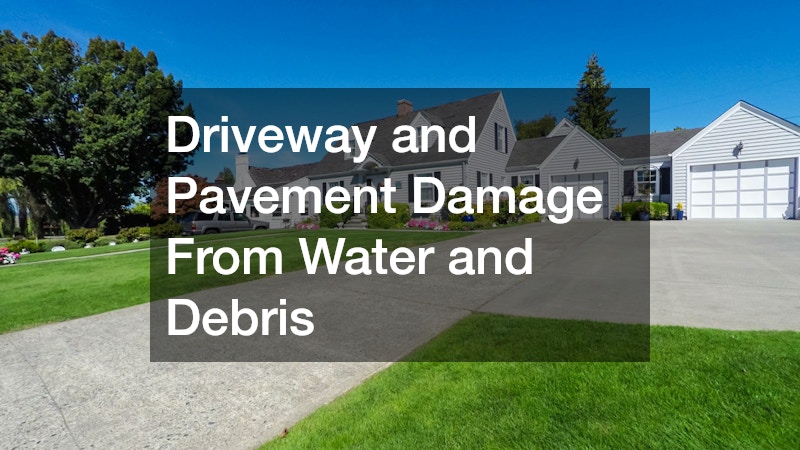
Driveways absorb a surprising amount of storm impact, especially when heavy rain erodes the base beneath asphalt or concrete. Cracks that seem minor at first can widen quickly once water repeatedly seeps in and freezes or shifts the ground below. Checking with local asphalt paving companies after a major storm can help you determine whether resurfacing or a full repave is needed, particularly if drainage issues are contributing to repeated cracking. Storms can also reveal equipment needs during major repair projects, and homeowners tackling larger driveway or landscaping repairs sometimes turn to a forklift rental service to move heavy materials like pavers, gravel, or old asphalt sections safely.
- Alligator style cracking across large sections of pavement
- Potholes that form suddenly after heavy rainfall
- Pooling water at the edges of the driveway
- Crumbling edges where asphalt meets grass or landscaping
Storm damage might feel like a one time inconvenience, but it’s really a diagnostic tool that shows you where your home needs attention before the next major weather event arrives. Rather than treating each repair as an isolated fix, take the opportunity to look at the bigger picture, from your roof and gutters down to your foundation and outdoor spaces. Addressing these weak points now, with the right professionals for each job, can save you significant time, money, and stress down the road. The next storm is only a matter of time, so use what this one revealed to make your home more resilient.