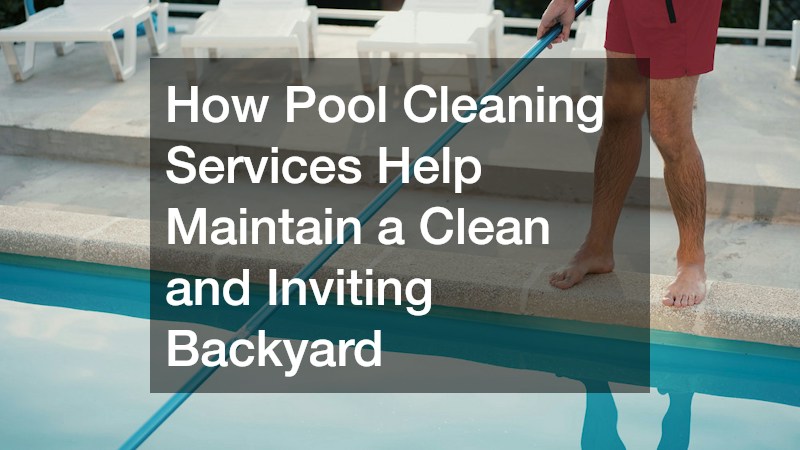
A backyard swimming pool creates a place for relaxation, exercise, and entertaining. Whether homeowners enjoy quiet afternoons by the water or host gatherings with family and friends, a clean pool helps make the entire property feel more welcoming. However, maintaining an attractive swimming area requires more than occasionally removing leaves or adding chemicals. Consistent care, functioning equipment, and attention to surrounding outdoor spaces all contribute to a backyard that remains enjoyable throughout the swimming season.
Regular maintenance also helps homeowners identify potential problems before they become expensive repairs. By establishing a reliable cleaning routine and keeping nearby surfaces and landscaping in good condition, homeowners can protect their investment while creating a comfortable outdoor environment.
Maintaining Clear and Balanced Water
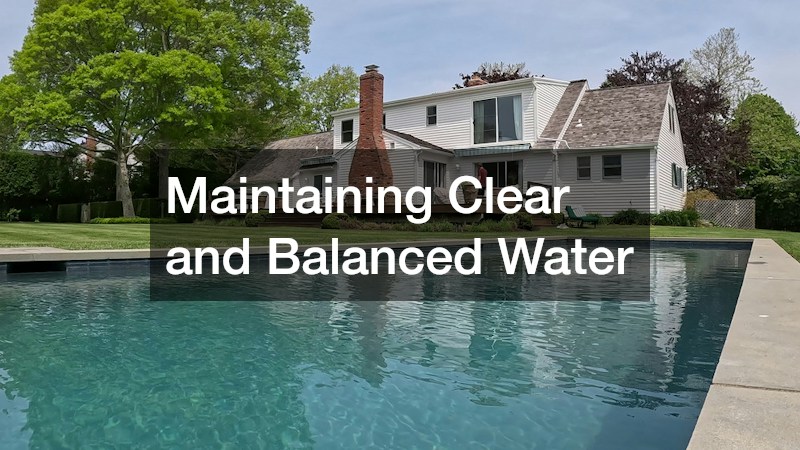
Clear water is one of the most noticeable signs of a well-maintained swimming pool. However, appearance alone does not determine whether the water is properly balanced or sanitized. Regular testing and appropriate treatment help maintain suitable swimming conditions while reducing the likelihood of cloudy water, algae growth, and other common problems.
Professional pool cleaning services can help homeowners manage tasks such as testing chemical levels, removing debris, brushing surfaces, and monitoring circulation. Consistent attention makes it easier to identify changes before they significantly affect water quality.
Several factors can interfere with water balance, including rainfall, sunlight, heavy pool use, and organic debris. Leaves, sunscreen, sweat, and other contaminants can increase the demands placed on sanitation and filtration systems. Testing the water regularly helps determine whether adjustments are necessary.
Homeowners should follow manufacturer instructions when adding chemicals and avoid mixing incompatible products. Chemical treatments must be handled and stored carefully, particularly around children and pets.
A dependable maintenance routine should include:
- Testing sanitizer levels and water balance.
- Removing floating debris before it accumulates.
- Monitoring filtration and circulation.
- Following appropriate treatment instructions.
- Investigating persistent cloudiness or unusual discoloration.
These practices help preserve water quality and make routine pool care more manageable.
Removing Debris Before It Accumulates
Outdoor pools collect leaves, pollen, insects, dust, and grass clippings from surrounding areas. Wind and storms can introduce additional debris, while nearby trees and shrubs may contribute organic material throughout the year. When debris remains in the water, it can affect appearance, clog baskets, and increase filtration demands.
Skimming removes floating materials before they sink. Brushing helps loosen dirt and algae from pool walls and floors, while vacuuming removes particles that settle in areas with weaker circulation. Cleaning these surfaces regularly prevents debris from accumulating and becoming more difficult to remove.
Homeowners can reduce the amount of material entering the pool by maintaining nearby vegetation and keeping patios clean. Sweeping walkways before washing outdoor surfaces also helps prevent dirt from being carried into the water.
Helpful debris-prevention practices include:
- Trimming branches that frequently drop leaves into the pool.
- Emptying skimmer baskets according to equipment instructions.
- Using a suitable pool cover when appropriate.
- Sweeping nearby patios and walkways.
- Inspecting the pool after storms or windy weather.
Consistent cleaning reduces unnecessary strain on pool equipment and helps maintain an inviting appearance. It also prevents routine maintenance from becoming a larger project after extended periods of neglect.
Protecting Tile and Interior Surfaces
Pool tile and interior finishes contribute significantly to a backyard’s appearance. Over time, mineral deposits, sunscreen, oils, and other contaminants can accumulate along the waterline. These deposits may create visible discoloration even when the rest of the pool is clean.
A professional pool tile cleaning service can help remove stubborn buildup using methods appropriate for the material and the type of residue. Selecting the correct cleaning technique is important because aggressive scrubbing or unsuitable chemicals can damage certain tiles, grout, and decorative finishes.
Not every stain has the same cause. Mineral deposits, algae, metal staining, and surface deterioration may produce different discoloration patterns. Identifying the underlying issue helps determine the appropriate treatment instead of relying on increasingly abrasive cleaning methods.
Homeowners should inspect tile and grout periodically for cracks, loose sections, or missing material. Small areas of damage may require repair to prevent further deterioration.
Routine surface care includes:
- Checking the waterline for visible deposits.
- Using manufacturer-approved cleaning products.
- Avoiding abrasive tools that could scratch finishes.
- Monitoring grout for deterioration.
- Seeking professional advice when stains persist.
Keeping these surfaces clean helps maintain the pool’s visual appeal while making it easier to notice developing problems.
Supporting Reliable Equipment Operation
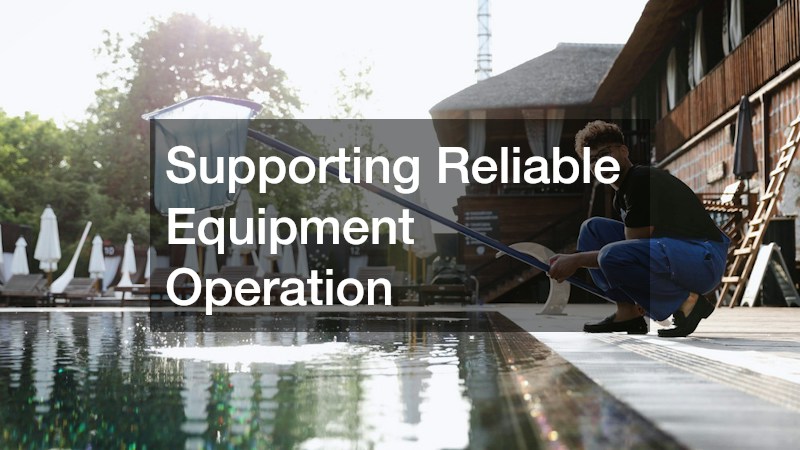
A swimming pool depends on pumps, filters, skimmers, and sanitation systems to maintain appropriate operating conditions. When equipment does not function properly, water quality can deteriorate, and routine maintenance may become more difficult. A qualified swimming pool contractor can also evaluate pool equipment, recommend suitable upgrades, and help homeowners plan maintenance needs when installing or renovating a swimming pool.
For example, restricted circulation can contribute to debris accumulation, while a clogged filter may interfere with water movement. Leaks, unusual noises, changes in pressure, or inconsistent circulation may indicate that equipment needs inspection.
Homeowners can perform basic checks by observing equipment operation, cleaning baskets, and following recommended maintenance schedules. Electrical problems, internal pump repairs, and complicated plumbing concerns should be handled by qualified professionals.
When planning a new pool or major renovation, in ground pool companies can explain how equipment selection, pool design, and circulation requirements affect ongoing maintenance. Asking about service access, warranty coverage, and recommended upkeep can help homeowners make informed decisions.
Before approving an installation or equipment upgrade, consider:
- Which filtration and circulation components are included.
- How accessible the equipment will be for future servicing.
- What maintenance the manufacturer recommends.
- How repairs and warranty claims are handled.
- Whether the proposed system suits the property’s needs.
Reliable equipment supports consistent water quality and helps homeowners avoid preventable operational disruptions.
Keeping Poolside Surfaces Clean and Safe
The pool deck and surrounding walkways influence both the appearance and usability of an outdoor space. Dirt, algae, standing water, and damaged materials can make these areas less comfortable and potentially hazardous.
Regular sweeping and appropriate surface cleaning help prevent grime from accumulating. Homeowners should use cleaning products and equipment suitable for the deck material, since excessive pressure or harsh chemicals may damage some finishes.
Drainage also deserves attention. Persistent puddles can encourage slippery buildup and contribute to deterioration. If water repeatedly collects in the same location, correcting the underlying drainage problem may be more effective than simply cleaning the area.
Homeowners considering a deck renovation may consult the best deck builders to discuss materials, layout, drainage, and maintenance requirements. A well-planned deck can provide space for seating and entertaining while allowing comfortable movement around the pool.
Important maintenance practices include:
- Removing toys, hoses, and loose equipment from walkways.
- Cleaning slippery areas with suitable methods.
- Repairing damaged or uneven surfaces.
- Maintaining effective drainage.
- Providing appropriate lighting for evening use.
A clean, accessible poolside area improves the overall experience while supporting safer movement throughout the backyard.
Coordinating Landscaping With Pool Care
Landscaping provides shade, privacy, color, and visual structure. However, nearby plants can also contribute leaves, pollen, and loose soil that enter the pool. Thoughtful planning helps homeowners enjoy attractive greenery without creating unnecessary maintenance demands.
Professional landscape services can help coordinate planting beds, lawns, pathways, and decorative features. A well-designed layout creates a natural transition between the pool and the rest of the yard while preserving access to equipment and service areas.
Plant selection is especially important. Trees and shrubs should be chosen with their mature size, root systems, and seasonal debris in mind. Plants that shed heavily may require additional cleaning when positioned too close to the water.
Homeowners should also consider drainage when installing new planting beds or hardscape features. Poor grading can direct soil and runoff toward the pool, creating additional cleaning needs.
A practical landscaping plan should prioritize:
- Plants suited to the local climate and sunlight.
- Clear access to pool equipment.
- Appropriate drainage around planting beds.
- Ground cover that helps limit exposed soil.
- Regular trimming to control overgrowth.
Coordinating these elements helps create an attractive backyard while reducing avoidable debris and maintenance.
Maintaining Lawns and Garden Beds
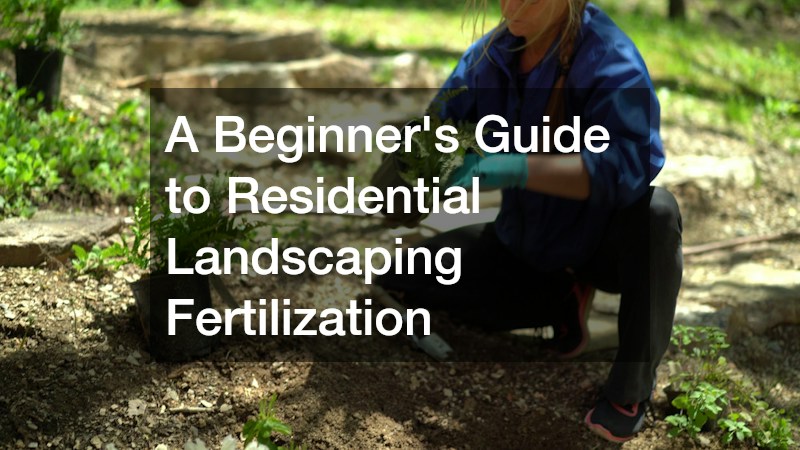
Healthy grass and tidy garden beds complement the pool by adding color and texture. However, lawn maintenance near swimming areas requires care because grass clippings, fertilizer, and loose soil can enter the water.
Sod installations can help establish a lawn in a newly developed backyard or replace damaged grass. Proper soil preparation, suitable grass selection, and consistent watering are important for successful establishment. Homeowners should also consider how the lawn’s placement and drainage will affect the nearby pool.
Garden beds benefit from suitable ground cover and regular upkeep. Applying mulch can help retain soil moisture, moderate soil temperature, and reduce weed growth. Organic varieties gradually break down and may need replenishment, while excessive application can interfere with plant health.
Irrigation should be adjusted to limit unnecessary overspray toward pool decks and water surfaces. Lawn products should be applied according to label instructions, with care taken to prevent runoff from reaching the pool.
Helpful lawn and garden practices include:
- Removing grass clippings from nearby walkways.
- Watering newly installed grass as recommended.
- Keeping planting beds free of excessive weeds.
- Refreshing ground cover when necessary.
- Checking irrigation systems for leaks and overspray.
Healthy landscaping creates a softer, more inviting setting while helping keep unwanted material out of the pool.
Improving the Backyard Layout
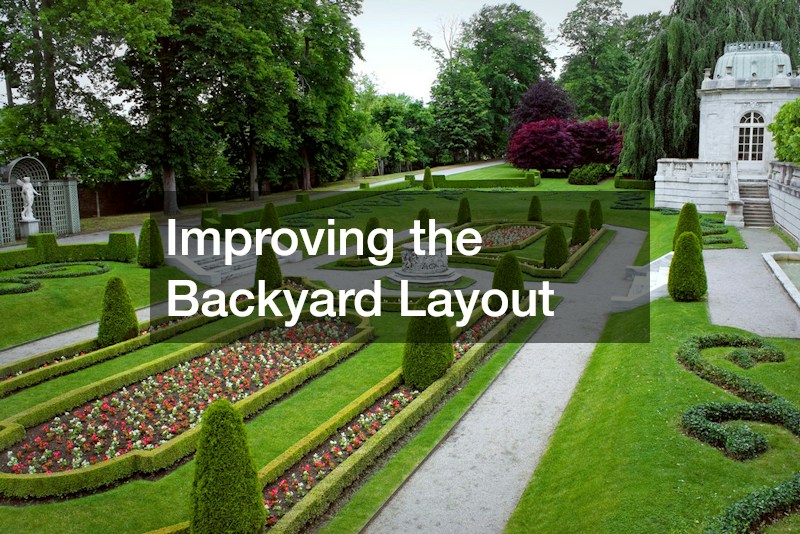
A welcoming backyard combines practical features with an organized layout. Seating areas, pathways, dining spaces, and decorative surfaces help homeowners use the property comfortably rather than treating the pool as an isolated feature.
Hardscape elements such as pavers, stone, and edging can define different areas and establish clear walking routes. When purchasing materials from a hardscape supply provider, homeowners should consider durability, surface texture, drainage, and compatibility with existing pool finishes.
Outdoor furniture should be positioned to preserve access to the pool and equipment. Leaving enough room around tables, chairs, and loungers helps prevent congestion during gatherings. Shade structures can improve comfort, provided their placement accounts for wind exposure, drainage, and other site conditions.
Before beginning a renovation, homeowners should evaluate how people will move between the house, pool, lawn, and seating areas. Planning these connections in advance can prevent overcrowding and reduce the need for later changes.
Consider the following design priorities:
- Establishing clear pathways between outdoor areas.
- Choosing materials suited to wet conditions.
- Leaving room for furniture and comfortable movement.
- Preserving access for cleaning and repairs.
- Coordinating colors and textures across the property.
A thoughtful layout improves functionality and helps the backyard feel cohesive.
Adding Privacy and Defining Boundaries
Privacy can make a swimming area more relaxing, especially when neighboring homes or streets overlook the property. Fences, screening plants, and strategically placed outdoor features can help define the space while complementing the landscape.
A fencing installation should account for property boundaries, local requirements, material durability, and the intended purpose of the barrier. Swimming pools may be subject to specific rules regarding barrier height, gates, latches, and access. Homeowners should verify applicable requirements before selecting a design.
Different materials provide different benefits. Metal fencing can preserve visibility, while wood or composite options may provide greater screening. Vinyl fencing offers another design choice, although maintenance requirements and performance vary by product.
Privacy landscaping can soften the appearance of a fence, but plants should not obstruct gates or compromise required safety features. Homeowners should also account for future growth and the trimming needed to keep vegetation under control.
When planning boundaries, consider:
- Applicable pool barrier regulations.
- Gate access and latch requirements.
- Material durability and maintenance.
- Desired visibility and privacy.
- How fencing will complement nearby landscaping.
Well-planned boundaries help create a defined outdoor environment while supporting the practical requirements of pool ownership.
Establishing a Consistent Maintenance Schedule
A regular maintenance schedule helps homeowners manage pool care before small concerns develop into larger problems. Waiting until the water becomes cloudy or equipment stops working can make upkeep more demanding and potentially more expensive.
The appropriate schedule depends on pool usage, weather, surrounding vegetation, and equipment requirements. Pools exposed to heavy use or frequent debris may need more attention than those in sheltered areas. Seasonal changes can also affect water chemistry and cleaning needs.
Homeowners can divide maintenance into manageable tasks:
- Frequent checks: Observe water clarity and remove floating debris.
- Routine care: Test water chemistry, clean baskets, and monitor circulation.
- Periodic inspections: Check tile, decking, drainage, and visible equipment.
- Seasonal preparation: Adjust maintenance for changing weather and usage.
- Professional assistance: Arrange qualified service for technical testing and repairs.
Keeping a simple maintenance log can help track water testing, cleaning, repairs, and recurring concerns. These records also provide useful information when a professional needs to diagnose a problem.
Consistency is more effective than relying on occasional intensive cleaning. A predictable routine helps preserve water quality, protect equipment, and keep the surrounding backyard ready for everyday enjoyment.
A clean and inviting backyard depends on consistent care, functioning equipment, and attention to the outdoor spaces surrounding the pool. By maintaining water quality, protecting surfaces, and keeping landscaping organized, homeowners can create an environment that remains comfortable and attractive throughout the swimming season. Establish a practical maintenance routine, address problems promptly, and plan improvements with long-term upkeep in mind to make the most of your outdoor living space.