Weather has a way of testing every weak point in a home. A heavy summer storm might expose a small roof issue you didn’t notice, while a cold snap can turn a minor draft into a major comfort problem. The truth is, weatherproofing isn’t something you do once—it’s an ongoing process that evolves with the seasons.
Taking simple, consistent steps throughout the year can prevent expensive repairs, improve energy efficiency, and make your home more comfortable day to day. Whether you live in a storm-prone region or just want to avoid unexpected issues, a proactive approach will always pay off. Many homeowners only react when something breaks, but the real advantage comes from staying one step ahead. Even dedicating a few hours each month to maintenance can significantly reduce long-term risks.
Inspect and Reinforce Your Roof Before Problems Start
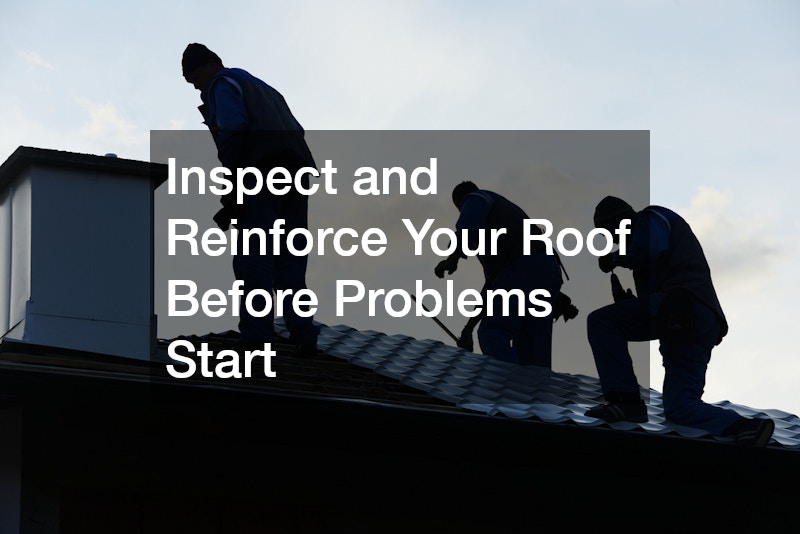
Your roof is your home’s first line of defense, yet it’s often overlooked until something goes wrong. A small leak or a few missing shingles might not seem urgent—until the next storm turns it into interior damage.
Start by doing a visual inspection from the ground. Look for uneven areas, discoloration, or debris buildup. If you’re comfortable doing so safely, a closer inspection can reveal cracked shingles, soft spots, or signs of water intrusion.
A few practical steps can make a big difference:
- Clear debris like leaves and branches regularly
- Check flashing around vents and chimneys
- Look for granule loss in gutters
If you notice recurring issues, it may be time to consider roof restoration rather than repeated minor fixes. This approach strengthens the entire system instead of patching isolated problems.
Working with experienced roofers can also help you catch issues you might miss. They’ll assess structural integrity, ventilation, and drainage—factors that all play a role in long-term durability. Scheduling an inspection before storm season is one of the smartest preventive moves you can make. In many cases, early detection can extend the lifespan of your roof by several years, saving thousands in replacement costs.
Improve Drainage Around Your Property to Prevent Water Damage
Water doesn’t need an invitation to cause damage—it just needs a path. Poor drainage can lead to foundation cracks, basement flooding, and long-term structural issues that are expensive to fix.
Walk around your property after a heavy rain. Notice where water collects or flows toward your home. These are the areas that need attention.
Start with the basics:
- Clean out gutters and downspouts regularly
- Ensure downspouts extend at least a few feet from your foundation
- Grade the soil so that water slopes away from your home
Seasonal yard cleanups can generate a surprising amount of debris. Renting a dumpster rental for larger projects makes it easier to clear out leaves, branches, and old materials without creating clutter.
For more complex issues—like persistent pooling or slow drainage—it’s worth consulting plumbing contractors. They can evaluate underground drainage systems, install French drains, or upgrade sump pumps to handle heavy water flow more effectively. Addressing drainage proactively not only protects your home but also preserves landscaping and prevents erosion.
Seal Air Leaks Around Windows and Doors for Energy Efficiency
If your home feels drafty in the winter or struggles to stay cool in the summer, air leaks are often the culprit. These small gaps can quietly drive up energy bills while making your home less comfortable.
Start by identifying problem areas. On a windy day, you might feel air movement near windows or doors. You can also use a simple trick: hold a lit incense stick near the edges and watch how the smoke behaves.
Sealing leaks doesn’t require major renovations. In many cases:
- Caulking fills small cracks around frames
- Weatherstripping improves door seals
- Foam sealants address larger gaps
If your windows are older or inefficient, upgrading through a trusted window supplier can significantly improve insulation. Modern windows are designed to reduce heat transfer and maintain indoor comfort year-round.
Inside the home, roller shades can also help regulate temperature. They reduce heat gain during hot months and provide an extra layer of insulation when it’s cold, all while enhancing privacy and light control. Over time, these small improvements can noticeably reduce your monthly energy bills.
Strengthen Electrical Systems to Handle Seasonal Demands
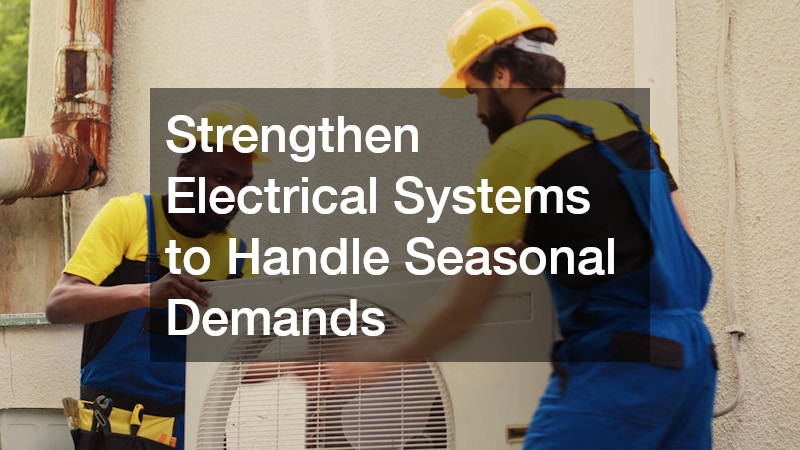
Your electrical system works harder than you might realize, especially during extreme weather. Heating systems, air conditioners, and additional appliances can all push your setup to its limits.
Think about how your energy use changes throughout the year. Summer often brings higher cooling demands, while winter may involve space heaters or increased lighting use.
A few smart precautions include:
- Checking for overloaded outlets or extension cords
- Installing surge protection for sensitive electronics
- Ensuring outdoor outlets are weatherproof
If your home is older or you’ve added new appliances, it’s wise to have a local electrician evaluate your system. They can identify outdated wiring, upgrade panels, and ensure everything meets current safety standards.
This isn’t just about convenience—it’s about preventing hazards. Electrical issues are one of the leading causes of home fires, and many of them are avoidable with routine inspections. Investing in upgrades now can also make your home more adaptable to future technology and energy needs.
Protect Your Plumbing System from Freezing and Leaks
Plumbing problems rarely announce themselves politely. A slow leak can go unnoticed for months, while a frozen pipe can burst overnight and cause immediate damage.
Prevention starts with awareness. Identify areas where pipes are exposed—such as basements, crawl spaces, or exterior walls. These are the most vulnerable during temperature swings.
To reduce risk:
- Insulate pipes in unheated areas
- Disconnect and drain outdoor hoses before cold weather
- Keep indoor temperatures consistent, even when you’re away
If you’ve ever dealt with a burst pipe, you know how disruptive it can be. Bringing in plumbing contractors for a seasonal checkup can help catch weak points early. They can also recommend upgrades, like better insulation or pressure regulation, to protect your system year-round. Even small preventative steps can save you from significant water damage and costly repairs.
Upgrade Exterior Features to Withstand Harsh Weather
Your home’s exterior isn’t just about appearance—it’s about protection. Features like shutters and fencing play a direct role in how well your property holds up against wind, rain, and debris.
Consider how your home responds during a storm. Do windows feel exposed? Does fencing shift or lean under pressure?
Installing new shutters can provide both aesthetic and functional benefits. They act as a barrier against flying debris while also enhancing curb appeal. In regions prone to storms, they can make a noticeable difference in damage prevention.
Similarly, maintaining wood fencing is essential for both security and durability. Regularly check for loose posts, rot, or warping. Reinforcing weak sections before severe weather hits can prevent costly replacements later. Taking time to maintain these features also improves the overall appearance and value of your property.
Maintain Clean Indoor Air While Improving HVAC Efficiency
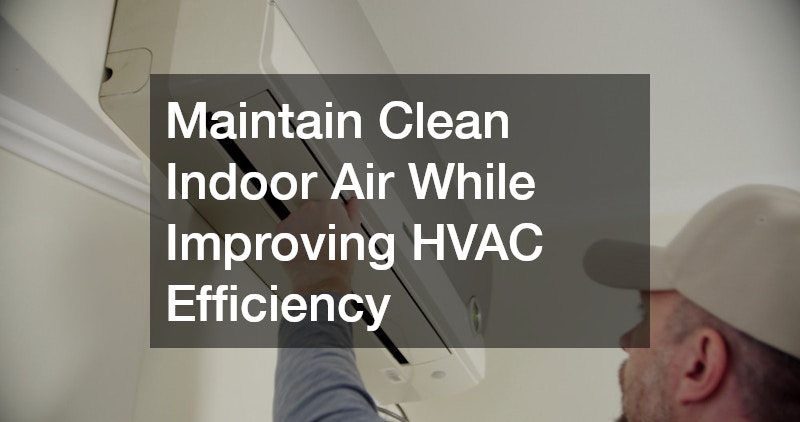
Weatherproofing isn’t just about keeping the outside out—it’s also about maintaining a healthy and efficient indoor environment.
Over time, dust, allergens, and debris can build up in your ductwork. This not only affects air quality but also forces your HVAC system to work harder, reducing efficiency.
If you’ve noticed uneven airflow, increased dust, or lingering odors, it might be time to address your ducts. Hiring a local duct cleaning service can remove buildup and improve system performance.
In addition to professional cleaning, simple habits help:
- Replace air filters regularly
- Keep vents unobstructed
- Schedule routine HVAC maintenance
Clean air and efficient systems go hand in hand. When your HVAC system doesn’t have to fight through debris, it can maintain comfortable temperatures more easily—no matter the season. This also creates a healthier living space for your family.
Create a Seasonal Maintenance Routine That Prevents Emergencies
One of the most effective ways to weatherproof your home is to stay ahead of problems. Instead of reacting to issues, build a routine that keeps everything in check throughout the year.
Think of your home like a system that needs regular tune-ups. Breaking tasks into seasonal checklists makes them more manageable and ensures nothing gets overlooked.
For example:
Spring:
- Inspect roofing and gutters
- Clean outdoor areas and remove debris
Summer:
- Check cooling systems and insulation
- Prepare for storms
Fall:
- Clear leaves and drainage systems
- Inspect heating systems
Winter:
- Monitor for drafts and frozen pipes
- Keep pathways clear and safe
Large cleanups or renovation projects can quickly create waste, making a dumpster rental a practical solution for staying organized.
Regular inspections by roofers can also help you track wear and tear over time, allowing you to address small issues before they escalate. Over time, this routine becomes second nature and significantly reduces the likelihood of unexpected emergencies.
Improve Insulation and Interior Comfort for All Seasons
Insulation is one of the most overlooked aspects of home comfort. When it’s inadequate, your home loses heat in the winter and gains it in the summer, forcing your HVAC system to work overtime.
Start by evaluating key areas:
- Attics
- Walls
- Crawl spaces
Adding or upgrading insulation in these areas can significantly reduce energy loss. It’s not always visible work, but the results show up in both comfort and utility bills.
Windows also play a major role. If you’re dealing with persistent drafts or condensation, consulting a window supplier about energy-efficient options can make a noticeable difference.
Inside, roller shades provide an additional layer of control. They help manage sunlight, reduce glare, and maintain consistent indoor temperatures without requiring constant thermostat adjustments. Over time, these improvements contribute to a more stable and comfortable indoor environment.
Build a Reliable Network of Home Maintenance Professionals
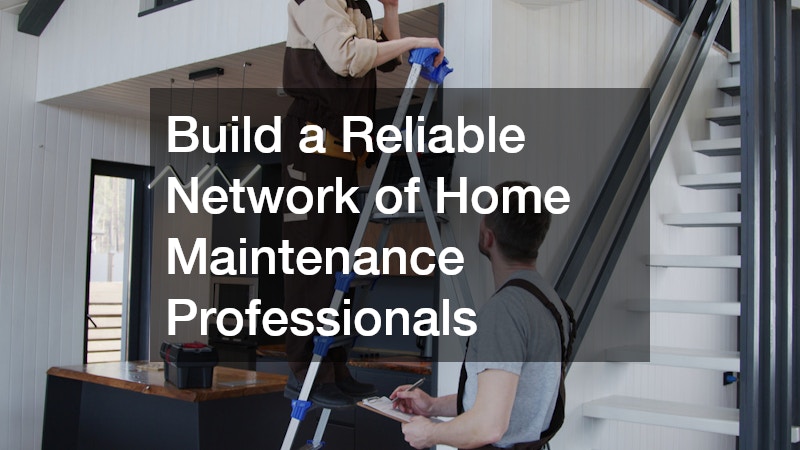
No homeowner can handle everything alone, and trying to do so often leads to missed details or unnecessary stress. Building a trusted network of professionals ensures you have support when it matters most.
Start by identifying key services you’ll likely need:
- Electrical inspections and repairs
- HVAC maintenance and cleaning
- Plumbing evaluations
Having a go-to local electrician means you won’t be scrambling during an outage or emergency. Similarly, working with a local duct cleaning service on a regular basis helps maintain air quality and system efficiency.
The goal isn’t just to fix problems—it’s to prevent them. Reliable professionals can spot issues early, offer practical solutions, and help you maintain your home with confidence. Over time, these relationships also give you peace of mind knowing help is just a call away.
Keeping Your Home Strong, Comfortable, and Protected
Weatherproofing your home doesn’t require a complete overhaul. It’s built on small, consistent actions that add up over time. By paying attention to vulnerable areas, staying proactive with maintenance, and making thoughtful upgrades, you create a home that can handle whatever the seasons bring.
More importantly, you gain peace of mind. Instead of worrying about the next storm or temperature shift, you’ll know your home is ready—because you’ve taken the steps to make it that way.