The bathroom is one of the most important spaces in any home, not just for functionality but also for comfort and relaxation. Remodeling a bathroom can significantly enhance both its aesthetics and efficiency. However, without proper guidance, what should be a walk in the park could turn into a renovation nightmare. To guide you through the labyrinth of tile choices, fixture selections, and design dilemmas, this article compiles essential tips and strategies for bathroom remodeling. Whether you’re working with a limited budget or expanding a small space, read on to discover game-changing advice that can transform your bathroom into a personal oasis.
1. What are Some Cost-Effective Bathroom Remodeling Ideas?
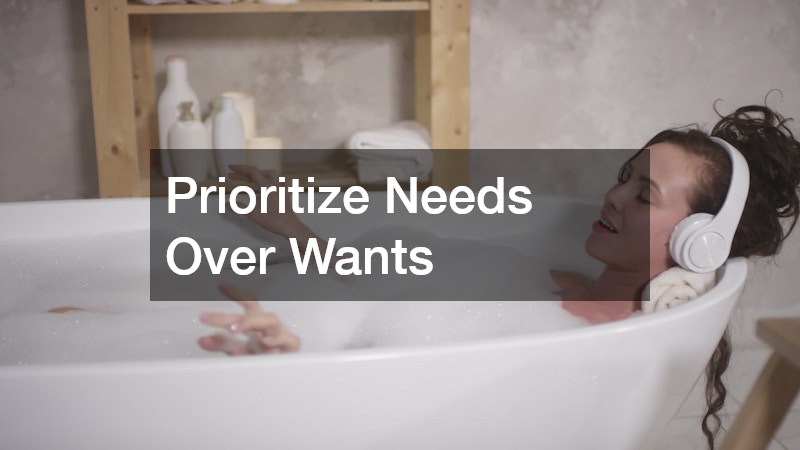
A. Prioritizing Needs Over Wants
When embarking on a bathroom remodel, distinguishing between needs and wants is critical for cost-effectiveness. Begin by listing must-haves that address functionality, like fixing leaks or improving ventilation, before splurging on luxury additions. Many homeowners find that by focusing on core upgrades, they can allocate more budget for quality materials. However, don’t disregard small indulgences, as they can uplift the space without straining finances. Balancing these elements is key to a satisfying yet economical remodel.
B. Budget-Friendly Materials
Opting for budget-friendly materials does not necessarily mean compromising on style or durability. Consider alternatives like vinyl flooring instead of hardwood, or laminate countertops that imitate the look of natural stone. These materials have evolved significantly, offering a variety of styles and finishes while keeping costs down. Additionally, exploring remnant sales and discount outlets can yield surprising finds. Such approaches allow for a high-end look without the premium price tag.
C. DIY vs. Professional Help
The allure of DIY projects is the potential to save on labor costs; however, the complexity of bathroom remodeling often warrants professional expertise. Projects involving intricate plumbing or electrical work should typically not be undertaken without proper skills. Nonetheless, simple tasks, such as painting or installing new hardware, are perfect DIY ventures. Weigh the costs and potential savings carefully. Often, a hybrid approach—combining DIY with professional services—delivers the best results.
D. Reuse and Repurpose
Incorporating sustainability into your remodel can also be wallet-friendly. Think creatively about reusing and repurposing existing elements, such as refinishing cabinets or repurposing old furniture as a vanity. Reclaimed materials not only add charm and character but also reduce waste. Visit salvage yards or online marketplaces where unique finds can revive a space. Remember, a little imagination can transform an ordinary piece into a standout feature.
E. Affordable Upgrades
Affordable upgrades can deliver remarkable transformations. Consider updating fixtures like faucets and showerheads to instantly elevate the bathroom’s look and feel. Switching out old lighting fixtures for energy-efficient models adds both style and functionality. Another impactful change is replacing dated tiles with fresh, modern designs. Such calculated changes allow you to maintain budget control while vastly improving the space’s appeal.
2. How Can You Maximize Space in a Small Bathroom?
A. Optimal Layout Strategies
Strategizing an optimal layout is vital in small bathrooms to make the most of every square inch. Assess the bathroom’s current setup to identify improvements that could yield more usable space. Opt for compact fittings, such as corner sinks and wall-hung toilets, which free floor area for better movement. Another wise strategy is to design zones, separating wet and dry areas. Thoughtful planning is the cornerstone of making a small bathroom function seamlessly without sacrificing style.
B. Efficient Storage Solutions
Smart storage solutions can dramatically alter the usability of a compact bathroom. Think vertical: install open shelving or tall storage units that use vertical space without encroaching on the floor area. Incorporate built-in niches in shower walls for storing toiletries neatly. Consider multi-functional furniture or floating vanities to enhance storage capability. Maximizing storage efficiency ensures that even the smallest bathrooms remain clutter-free and functional.
C. Lighting Tricks for Illusion of Space
Lighting plays a pivotal role in creating the illusion of a larger space. Use layered lighting, such as a combination of sconces and overhead lights, to add depth and dimension. Opt for light-colored fixtures and bulbs that mimic daylight to open up the visual space. Inadequate lighting can make a small bathroom feel closed in and uninviting. Utilize translucent window treatments to enhance natural light flow while maintaining privacy. Effective lighting can significantly alter the perception of space.
D. Use of Mirrors and Reflective Surfaces
Mirrors and reflective surfaces are essential tools in making a small bathroom appear more spacious. A large mirror or a mirrored wall can double the sense of space by reflecting light and views. Reflective surfaces, like glossy tiles or metallic accents, further enhance this effect. Position mirrors strategically to maximize their impact, ideally opposite windows or lighting fixtures. These elements work together to create a sense of airiness and elegance.
E. Downsizing Fixtures
Downsizing fixtures doesn’t mean compromising on convenience or functionality. Choose streamlined fixtures that offer ample utility without dominating the space. Consider integrated designs that merge functions, like a combined shower-bath unit or a vanity with built-in storage. Selecting the appropriate scale ensures that you maximize usability while keeping the area open and inviting. Ada fixtures’ with space-saving designs allows for efficient space utilization in tighter quarters.
3. What are the Latest Trends in Bathroom Design?
A. Popular Color Schemes
Current bathroom design trends are heavily influenced by soothing color palettes that evoke nature and tranquility. Earth tones, pastel greens, and muted blues are increasingly popular for their calming effects. These hues create a serene atmosphere and serve as a prefect backdrop for relaxation. To add a contemporary edge, incorporate splashes of bold colors through accessories or feature walls. Such balanced palettes promise to remain timeless and appealing.
B. Modern Fixtures and Finishes
Modern fixtures and finishes are essential elements in contemporary bathroom design. Matte black and polished gold finishes are currently in vogue, offering sleek elegance to any setting. Freestanding tubs and wall-mounted faucets add architectural interest alongside function. Updating fixtures also allows for integrating technology, elevating convenience in everyday use. Staying abreast of current styles ensures your bathroom remains chic and functional for years to come.
C. Eco-Friendly Designs
Eco-friendly designs are an essential consideration for the environmentally conscious renovation. Water-saving fixtures like dual-flush toilets and low-flow showerheads decrease water usage significantly. Recycled or sustainable materials, such as bamboo or reclaimed wood, contribute to eco-sensitive aesthetics. Consider incorporating plants that not only improve air quality but also bring a touch of nature indoors. Going green with the bathroom design is both a trend and a crucial long-term investment.
D. Smart Technology Integration
The integration of smart technology is transforming modern bathrooms into advanced spaces for convenience and comfort. From app-controlled lighting to digital showers with temperature presets, innovations enhance personalized experiences. Smart mirrors with built-in lighting and display features provide useful functionalities. Automation extends to toilets and bidets with features like heated seats and automated lids. Such gadgets exemplify the future-forward trajectory of bathroom designs.
E. Minimalist Aesthetics
Minimalist aesthetics remain a pervasive trend, driven by the pursuit of simplicity and functionality. This design philosophy reduces clutter by emphasizing clean lines and simple forms. Select fixtures with minimal ornamentation and opt for an uncluttered arrangement of essentials. Open space, sober colors, and a mindful reduction of accessories characterize a minimalist bathroom. Adopting this style harmonizes the space, promoting clarity and calmness.
4. How to Choose the Right Materials and Fixtures?
A. Durability and Maintenance
Choosing unparalleled materials and fixtures is paramount for a successful bathroom remodel. Prioritize durability and ease of maintenance as key factors. Materials like porcelain tiles and solid surface countertops offer longevity with minimum upkeep. Pay attention to the quality and warranties of fixtures to avoid frequent replacements. Opting for materials that withstand moisture and daily use guarantees a resilient bathroom environment.
B. Matching Style with Function
Finding the right balance between style and function is crucial when selecting materials and fixtures. The aesthetic should complement the home’s overall decor while catering to practical needs. Consider how each element fits within desired design goals and usability. Aesthetic harmony, combined with ergonomic design, ensures a functional and appealing space. Discerning choices between beauty and utility creates a winning combination.
C. Sourcing High-Quality Tiles
Tiles are the foundation of any bathroom design, acting as both protective surfaces and style statements. Opt for high-quality tiles that can endure moisture and wear. Natural stone or ceramic options are favored for their durability and timeless appeal. Explore a range of textures and finishes to add character and intrigue. Proper selection and professional installation of tiles are investments that pay off in long-term satisfaction.
D. Selecting the Right Vanity
Choosing the correct vanity is a defining element in bathroom design. A well-chosen vanity can serve as a focal point while providing essential storage. Consider scale, material, and style, ensuring it aligns with the bathroom’s overall aesthetic. Features like integrated storage, compact designs, or double sinks can enhance functionality significantly. The right vanity is a marriage of style, efficiency, and practicality.
E. Choosing Energy-Efficient Fixtures
Energy-efficient fixtures play a pivotal role in reducing the bathroom’s environmental footprint. Opt for LED lighting and water-saving appliances designed to minimize utility consumption. Consider thermally efficient materials and systems that ensure cost-saving advantages in the long run. These choices not only benefit the environment but could also yield financial savings over time. Investing in energy efficiency is integral to modern, sustainable bathroom design.
5. What Common Mistakes Should You Avoid?
A. Overlooking Ventilation Needs
With bathrooms being highly humid environments, overlooking ventilation needs can lead to major issues, such as mold growth. Install an efficient extractor fan to ensure proper air circulation and humidity control. Locate the fan near moisture-heavy areas, like showers or bathtubs, to optimize effectiveness. Regular maintenance and upgrades of ventilation systems are essential parts of bathroom care. Neglecting this step could diminish air quality and potentially damage materials.
B. Ignoring Lighting Plans
Inadequate lighting can severely impact the functionality and ambiance of a bathroom. Proper lighting plans should include a mix of task, ambient, and accent lighting to address diverse needs. Avoid relying solely on overhead lighting, which can create shadows and glare. Focus on using strategically placed light sources, such as vanity lights, for tasks like grooming. Tailored lighting transforms the bathroom into a useful and inviting space.
C. Skimping on Quality
While budget restrictions are real, skimping on material quality can lead to costly repairs or replacements. Invest in durable, premium-quality fixtures and surfaces that promise long-term performance. This includes waterproof materials and rust-resistant fixtures that withstand bathroom conditions. Every decision should focus on preventing future disruptions, ensuring an enduring update. A higher initial investment in quality components helps avoid rapid wear or damage.
D. Poor Plumbing Decisions
Plumbing layouts should be meticulously planned to avoid unnecessary risk or inconvenience. Poor decisions can result in inefficiency or failures, which may damage the structure. Involving a professional plumber in planning ensures compliance with codes and standards, essential for longevity. Consider future accessibility and service needs as part of the plumbing design. Properly installed plumbing is the backbone of a lasting and functionally safe bathroom.
E. Not Hiring Professionals When Needed
While it may be tempting to cut costs by tackling a renovation entirely DIY, not hiring professionals for complex tasks can be detrimental. Involve vetted experts for challenging projects, like electrical work or intricate tile installations. Their skills and knowledge assure a polished and compliant finish. Resist shortcuts when the scope exceeds your own expertise. Hiring professionals guarantees both the safety and success of the bathroom remodel.
Successfully remodeling a bathroom requires a delicate blend of creativity, practical planning, and meticulous execution. By focusing on cost-effective strategies, maximizing small spaces, embracing contemporary trends, and selecting the right materials, you set the stage for an effective transformation. Avoiding common pitfalls ensures that the remodel not only meets but exceeds expectations. Whether approaching this task as a passion project or an essential upgrade, these insights can empower your journey towards a beautiful, efficient, and enduring bathroom space.