Every home operates on a set of daily rhythms shaped by work schedules, school routines, hobbies, and downtime. These patterns determine how spaces are used, which areas experience the most traffic, and where frustration tends to build. Understanding these rhythms is the foundation of making smart home improvement decisions that truly support daily life rather than disrupt it.
Morning routines often reveal congestion points, such as crowded bathrooms or tight kitchen layouts during meal preparation. Evenings may highlight different challenges, including limited relaxation space or poor lighting in living areas. These recurring moments offer valuable insight into where functional improvements will have the greatest impact.
Weekly and seasonal rhythms matter as well. A home may feel manageable during the workweek but strained on weekends when everyone is present. Recognizing these fluctuations allows homeowners to plan improvements that accommodate both high-activity and low-activity periods.
When home improvement projects align with daily rhythms, routines become smoother and stress decreases. Instead of forcing households to adapt to their homes, the home begins to support the way people actually live.
Prioritizing High-Use Spaces
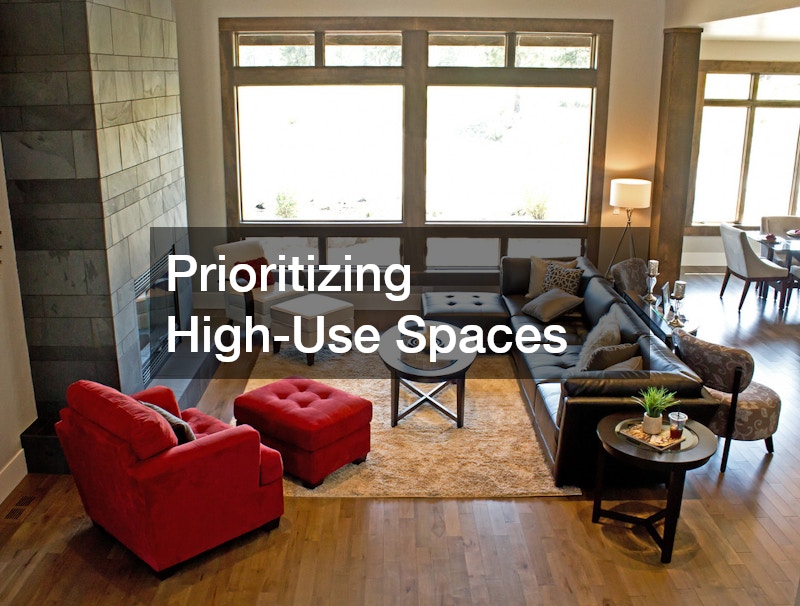
High-use spaces naturally deserve priority because they support the most frequent and essential activities. Kitchens, bathrooms, entryways, and shared living areas experience consistent wear and demand efficient layouts. Improvements in these spaces often deliver immediate and noticeable benefits, especially when coordinated through a reliable home remodeling service that understands how families use their homes day to day.
Focusing on high-use areas allows homeowners to invest strategically. Rather than spreading budgets thin across the entire home, targeted upgrades improve the spaces that affect daily comfort most. Even modest changes, such as improved storage or better lighting, can significantly enhance functionality.
These spaces also shape overall perception of the home. When the most-used rooms feel efficient and comfortable, the entire home feels more livable. Neglected high-use areas can create daily frustration even if other rooms remain pristine.
By prioritizing the spaces that anchor daily routines, homeowners create improvements that are felt every day, not just admired occasionally.
Aligning Structural Maintenance With Living Habits
Structural systems quietly support daily comfort and safety, yet their importance becomes clear the moment something fails. Drafts, leaks, or moisture intrusion disrupt routines immediately, especially in homes where people spend much of their day indoors. Issues like these often require coordination between HVAC contractors and plumbing contractors to restore comfort efficiently.
Households with consistent occupancy tend to notice structural issues sooner. Temperature inconsistencies or minor leaks are harder to ignore when the home is in constant use. This awareness provides an opportunity to address problems early, before they escalate into costly repairs.
Proactive maintenance aligned with living habits helps preserve stability. Homes used heavily benefit from routine inspections and timely repairs that prevent disruptions rather than reacting to emergencies.
When structural upkeep supports daily life, homes remain reliable and comfortable, allowing routines to continue without interruption.

Managing Water Flow Based on Outdoor Use
Outdoor living patterns influence how water interacts with a property. Gardens, play areas, and walkways change runoff behavior and increase moisture exposure near the home. Without proper management, these patterns can lead to erosion or water intrusion that may eventually require a water damage restoration service.
Water flow improvements should reflect how outdoor spaces are actually used. Redirecting runoff away from high-traffic areas protects foundations and preserves landscaping. These adjustments help maintain both safety and longevity.
Outdoor activity also affects seasonal wear. Heavy use during warmer months can expose drainage weaknesses that go unnoticed otherwise. Addressing these issues early supports year-round usability.
Aligning water management solutions with outdoor routines ensures exterior spaces remain functional, safe, and enjoyable.
Designing Flooring Solutions Around Activity Levels
Flooring absorbs the physical impact of daily life, making activity level a key consideration when choosing materials. Homes with children, pets, or frequent visitors place different demands on floors than quieter households.
Utility spaces often require durability over appearance. Garages, basements, and work areas may benefit from epoxy floor services, which provide resilient surfaces that handle moisture, spills, and heavy use without frequent maintenance.
Low-maintenance flooring reduces time spent on upkeep. Easy-to-clean materials support active households by minimizing disruption to routines.
When flooring choices reflect real activity patterns, homes remain functional and visually consistent for years.

Supporting Outdoor Lifestyles Through Landscape Planning
Outdoor spaces serve as extensions of the home, but only when they align with household preferences. Some families prioritize recreation, while others value calm, low-maintenance environments supported by a thoughtful landscaping service.
Landscape planning should enhance safety and accessibility. Clear pathways, appropriate lighting, and open zones support regular use and reduce hazards. In some cases, selective tree removal improves visibility, safety, and overall usability of outdoor areas.
Maintenance expectations also matter. Designs that require excessive upkeep can become burdensome for busy households, while thoughtful planning supports consistent enjoyment.
Landscapes designed around real outdoor habits feel intentional rather than ornamental.
Enhancing Curb Appeal Without Overbuilding
Curb appeal should support function as much as appearance. Overbuilding features that rarely get used increases maintenance without adding daily value.
Homes centered on private living often benefit from durable, understated upgrades that improve longevity rather than dramatic visual changes. Well-planned drainage and professionally installed systems by gutter installers help protect the exterior without drawing unnecessary attention.
Simple improvements can elevate appearance while remaining aligned with lifestyle needs. Clean lines and resilient materials support long-term satisfaction.
Balanced exterior upgrades enhance pride of ownership without creating unnecessary obligations.
Balancing Comfort and Efficiency Indoors
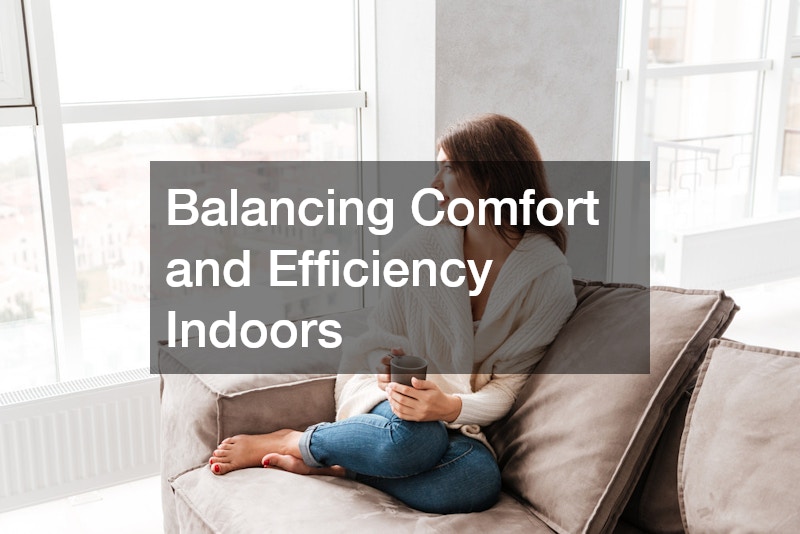
Indoor comfort is closely tied to occupancy patterns. Homes used throughout the day require stable temperatures and consistent airflow to remain comfortable.
Uneven comfort often signals systems that don’t match usage habits. Addressing these mismatches through experienced HVAC contractors improves both efficiency and daily well-being.
Solutions that adapt to real occupancy prevent energy waste while supporting comfort. Flexibility is key to long-term performance.
Comfort-focused improvements aligned with routines enhance both physical and emotional ease.
Addressing Plumbing Needs Based on Usage Patterns
Water usage varies widely between households. High-occupancy homes place more strain on plumbing systems than quieter residences.
Evaluating system capacity helps prevent disruptions in high-use areas. Routine assessments by qualified plumbing contractors can identify stress points before they turn into emergencies.
Efficient plumbing supports consistent routines, especially during peak usage times.
Usage-based planning extends system life and reduces emergency repairs.
Improving Driveway and Access Areas
Vehicle traffic patterns influence exterior wear. Homes with frequent arrivals experience faster surface deterioration.
Improving access points enhances safety and convenience for daily routines. Professional asphalt paving service solutions help maintain smooth surfaces that reduce trip hazards and vehicle wear.
Well-maintained driveways contribute to curb appeal while supporting functionality.
Access improvements should reflect real traffic levels rather than aesthetics alone.
Adapting Interior Layouts to Evolving Routines
As routines evolve, interior layouts must adapt to support new responsibilities, priorities, and patterns of use. A layout that once worked well may begin to feel restrictive as families grow, work habits change, or daily schedules shift. Static designs often struggle to keep pace with these transitions, leading to inefficiencies and frustration over time.
Targeted adjustments can significantly improve flow without requiring a full renovation. Small changes, such as reconfiguring furniture placement, widening walkways, or redefining the purpose of a room, can remove bottlenecks and make spaces feel more intuitive. These adjustments help rooms function better within the context of current routines rather than outdated needs.
Flexible layouts allow homes to evolve naturally alongside their occupants. When spaces can serve multiple purposes or transition easily between uses, homeowners maintain familiarity while gaining efficiency. This adaptability reduces the pressure to remodel repeatedly and supports long-term comfort as lifestyles continue to change.
Planning for Unexpected Disruptions
Even the most carefully maintained homes experience unexpected disruptions that temporarily alter daily routines. Severe weather, plumbing issues, or system failures can interrupt normal activities and create stress if not addressed promptly. These moments often highlight the importance of preparation and responsive planning.
Quick action helps restore normalcy and limits the extent of disruption. For example, when moisture intrusion occurs, homeowners may rely on a water damage restoration service to address the issue before it affects living areas or structural components. Early intervention prevents minor problems from turning into long-term inconveniences.
Preparation reduces the impact of these events. Knowing where shut-off valves are located, maintaining access to critical areas, and planning for temporary adjustments helps households respond calmly. Homes that are prepared for disruption recover more quickly and return to routine with less strain.
Matching Storage Solutions to Daily Habits
Storage needs are closely tied to lifestyle choices and daily activities. Active households often require easy-to-access storage for sports equipment, work supplies, seasonal clothing, or hobbies that are used frequently. In contrast, minimalist households may prefer concealed storage that preserves visual simplicity and reduces clutter.
Tailoring storage solutions to daily habits improves organization and efficiency. Placing storage near points of use reduces unnecessary movement and keeps routines running smoothly. When storage aligns with behavior, items are more likely to be returned to their proper place.
Storage planning should evolve alongside living patterns. As routines change, reassessing storage needs helps prevent overcrowding or underutilized spaces. Thoughtful storage adjustments support both order and ease of use over time.
Supporting Quiet Spaces and High-Activity Zones
Most homes contain a mix of quiet areas and high-activity zones, each serving different purposes throughout the day. When these spaces overlap without clear separation, noise and movement can disrupt focus, rest, or relaxation. Thoughtful improvements help balance these competing needs.
Sound management plays a critical role in maintaining harmony. Strategic use of doors, materials, and layout changes can reduce noise transfer between active and quiet areas. Lighting adjustments further support these distinctions by signaling how a space is meant to be used.
Understanding how movement and sound flow through the home guides effective upgrades. When quiet and active zones are intentionally supported, households experience fewer interruptions and greater overall comfort.
Aligning Maintenance Schedules With Lifestyle Demands
Maintenance demands vary depending on household schedules and availability. Busy households often benefit from low-maintenance solutions that minimize upkeep and reduce the need for frequent attention. Durable materials and automated systems help maintain consistency without adding to daily responsibilities.
Homes with more flexible schedules may accommodate more hands-on maintenance routines. In these cases, homeowners can invest time in regular upkeep without it feeling burdensome. Matching maintenance intensity to available time helps prevent burnout.
Maintenance planning should reflect realistic expectations rather than ideal scenarios. When upkeep aligns with lifestyle demands, homes remain functional and enjoyable instead of becoming another source of stress.
Anticipating Future Living Pattern Changes
Living patterns rarely remain static. Children grow, work arrangements change, and personal priorities evolve. Home improvements that fail to anticipate these shifts can become limiting sooner than expected.
Flexible designs support long-term usability by allowing spaces to change function without major alterations. Scalable systems and adaptable layouts reduce the need for repeated renovations as needs evolve.
Planning for future changes helps homeowners make investments that remain relevant. Homes designed with adaptability in mind continue to support occupants through multiple stages of life.
Avoiding Trend-Driven Decisions
Trends often emphasize visual appeal over practicality, which can lead to choices that don’t support daily routines. While trendy features may look appealing initially, they can feel out of place or impractical over time.
Lifestyle-aligned improvements prioritize function and comfort. Decisions grounded in how a home is actually used provide lasting satisfaction and reduce regret.
Personalized improvements reflect real habits rather than temporary design movements. This approach creates spaces that feel authentic and supportive long after trends fade.
Coordinating Improvements Over Time
Not all improvements need to happen at once. Phased upgrades allow homeowners to align projects with changing routines, budgets, and priorities. This approach reduces disruption and makes large improvement goals more manageable.
Completing projects in stages provides valuable feedback. Real-world use reveals what works well and what may need adjustment before the next phase begins.
Long-term coordination supports thoughtful, sustainable improvement. Each project builds on the last, resulting in a home that evolves intentionally rather than reactively.
Measuring Success Through Daily Comfort
The true measure of a successful home improvement project lies in daily comfort and ease of use. Spaces that feel intuitive, supportive, and stress-free reflect strong alignment with living patterns.
Ongoing feedback from household members offers insight into how upgrades perform over time. Listening to these experiences helps guide future decisions and refinements.
When daily routines feel smoother and more comfortable, improvements have achieved their purpose. Comfort, adaptability, and usability define lasting success.
Designing Improvements Around How You Live
Matching home improvement projects to living patterns transforms houses into truly functional homes. By prioritizing how spaces are used rather than how they look alone, homeowners create environments that support comfort, efficiency, and long-term satisfaction. It’s important to hire a roofer and other local professionals to turn your home into a dream.
Lifestyle-driven decisions lead to smarter investments, reduced maintenance, and greater adaptability over time. When improvements reflect real routines and evolving needs, homes remain resilient and welcoming through every stage of life.