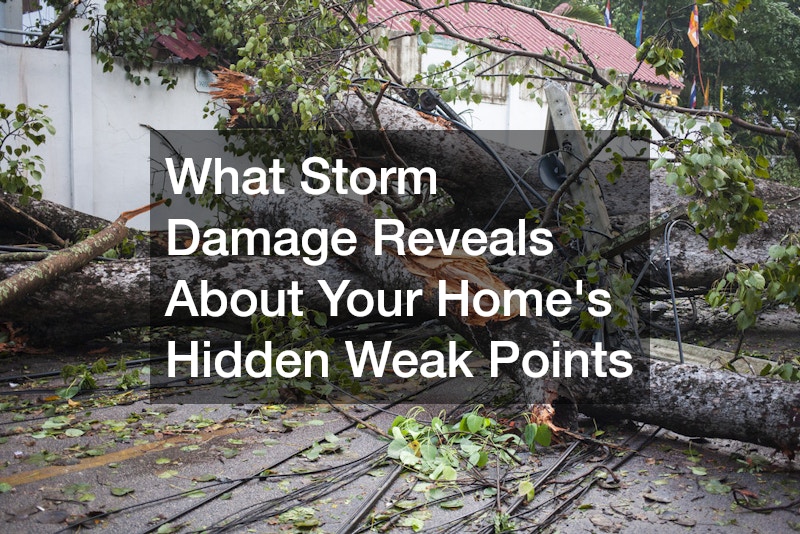
Major storms and severe weather events can leave homeowners facing overwhelming damage and uncertainty. High winds, heavy rain, flooding, and falling debris often impact multiple parts of a property at once, affecting everything from roofing systems to landscaping and outdoor structures. While it’s impossible to completely prevent storm damage, preparation and thoughtful recovery planning can significantly reduce the time, stress, and cost associated with repairs.
Taking the right steps after a storm allows homeowners to protect their property from further damage while also organizing repairs in a practical and efficient way. A systematic approach helps identify the most urgent issues first, coordinate cleanup efforts, and work with professionals who can restore structural safety. When property owners approach recovery with a clear plan, they are better equipped to manage insurance claims, prioritize repairs, and return their homes to a safe and comfortable condition.
This guide provides an in-depth look at the most important steps homeowners should take when preparing their property for recovery after severe weather. From initial inspections to debris removal and long-term improvements, each section offers practical advice to help you rebuild and strengthen your home after a major storm.
Start With a Thorough Exterior Inspection After the Storm

After severe weather passes, the first step toward recovery is conducting a careful inspection of your property’s exterior. This process helps identify potential hazards, assess the extent of damage, and determine which areas require immediate attention. Even when damage appears minor at first glance, hidden problems can develop into major issues if they are not addressed early.
Begin by walking around the perimeter of your property and taking note of visible damage. Pay close attention to areas where strong winds or falling debris may have caused structural harm. Many homeowners choose to contact roof repair services during this stage to identify damage that might not be obvious from the ground. Early inspections can prevent leaks, structural weakening, and interior damage.
Professional roofing experts often recommend documenting the condition of your property with photos and notes before starting any repairs. This documentation can be extremely useful when filing insurance claims or scheduling contractor evaluations.
When performing an exterior inspection, check for the following issues:
-
Missing or damaged shingles on the roof
-
Bent or detached gutters and downspouts
-
Cracked siding or broken exterior panels
-
Loose flashing around chimneys and vents
-
Standing water near the foundation
-
Damaged windows or doors
It is important to approach the inspection carefully. Avoid climbing onto the roof yourself if you suspect structural damage. Instead, allow trained professionals to evaluate areas that may be unsafe to access.
In addition to identifying visible damage, look for warning signs that indicate hidden problems. For example, dark patches on ceilings inside the home may indicate a roof leak. Water pooling near the base of your home may signal drainage issues that require attention.
Taking the time to complete a thorough inspection ensures that no problems are overlooked and allows you to develop a clear plan for the next stages of recovery.
Secure Structural Components Before Additional Damage Occurs
Once you have identified areas of concern, the next priority is stabilizing damaged structures to prevent further deterioration. Storm damage often leaves roofs, windows, and walls exposed to additional weather conditions. Without temporary protection, even small openings can allow water intrusion that leads to mold growth, wood rot, and interior damage.
Many homeowners reach out to a roofing contractor during this stage to install temporary protective measures such as tarps or structural reinforcements. These quick solutions help safeguard the home until permanent repairs can be completed.
Another important step is obtaining a roofing estimate to understand the scope of the damage and the cost of potential repairs. A professional estimate helps homeowners plan financially and determine whether insurance coverage may apply.
Temporary stabilization efforts may include:
-
Covering exposed roof sections with heavy-duty tarps
-
Boarding up broken windows or damaged doors
-
Reinforcing loose siding panels
-
Securing damaged gutters to prevent detachment
-
Removing hazardous debris resting on structures
These measures are especially important when storms occur during rainy seasons or periods of unstable weather. Protecting exposed areas prevents additional moisture from entering the home, which could significantly increase repair costs.
It’s also wise to check your attic and interior walls after the storm. Even if exterior damage seems minor, wind-driven rain can enter through small openings and create hidden moisture issues.
By stabilizing structural components quickly, homeowners can prevent minor storm damage from escalating into more serious and expensive problems.
Clear Debris Safely and Restore Access Around Your Property
Storm debris is often one of the most immediate obstacles homeowners face after severe weather. Fallen branches, broken materials, and scattered construction debris can block pathways, damage landscaping, and create safety hazards.
Clearing debris efficiently not only restores access to your property but also prevents injuries and allows repair professionals to work safely. Many homeowners rely on tree services to remove large branches, uprooted trees, and other heavy debris that requires specialized equipment.
For large cleanup projects, arranging a local dumpster rental can make the process much easier. Having a designated container for debris helps keep the property organized while allowing homeowners to dispose of materials quickly.
When clearing storm debris, consider the following safety precautions:
-
Wear gloves, sturdy shoes, and protective eyewear
-
Watch for sharp objects such as nails or broken glass
-
Avoid handling large branches without proper tools
-
Stay clear of downed power lines and report them immediately
-
Work slowly to prevent injuries from unstable debris piles
Debris removal also helps uncover damage that might have been hidden immediately after the storm. For example, fallen branches may conceal roof damage, broken fences, or structural issues that require repair.
Large storms often produce an overwhelming amount of debris, so breaking the cleanup process into manageable steps can be helpful. Start by clearing pathways and entry points, then move on to larger yard areas.
Organized debris removal improves safety, speeds up recovery, and helps prepare your property for the repair process.
Inspect Fencing and Property Boundaries for Storm Damage

Fences play an important role in defining property boundaries, protecting landscaping, and maintaining privacy. Unfortunately, strong winds and flying debris can easily damage fencing systems during severe storms.
After debris removal, homeowners should carefully inspect their fencing to determine whether repairs or replacements are necessary. Leaning posts, broken panels, and loose hardware are common signs of storm-related damage.
Many property owners consult local fencing companies when significant damage occurs. These professionals can assess the stability of the fence and recommend repair strategies that restore both function and appearance.
Signs of storm-related fencing damage include:
-
Posts that lean or shift from their original position
-
Panels that have detached from support rails
-
Warped wood caused by prolonged moisture exposure
-
Bent or broken metal fencing components
-
Missing fasteners or brackets
Temporary solutions such as reinforcing posts or reattaching loose panels may help stabilize the structure until permanent repairs can be completed.
It is also important to inspect the surrounding ground for erosion or soil movement. Stormwater runoff can weaken the soil supporting fence posts, making the structure more vulnerable to collapse in future storms.
Maintaining a secure fence protects pets, maintains property boundaries, and prevents further damage caused by unstable structures.
Evaluate Exterior Structures Like Patios, Decks, and Outdoor Covers
Outdoor structures are particularly vulnerable during severe storms because they are directly exposed to wind, rain, and debris. Patios, decks, pergolas, and other exterior features should be inspected carefully to determine whether they remain structurally safe.
One commonly overlooked feature is awnings, which can suffer significant damage from strong winds. Torn fabric, bent frames, or detached supports may create safety hazards if left unaddressed.
When evaluating outdoor structures, look for the following warning signs:
-
Loose bolts or fasteners
-
Warped wooden beams
-
Cracked support posts
-
Torn or detached coverings
-
Rusted or bent metal components
Damaged coverings should be removed or secured quickly to prevent them from catching wind during future storms.
Outdoor structures can often be repaired rather than replaced if damage is caught early. Tightening fasteners, replacing damaged boards, or reinforcing support beams may restore structural stability.
If your property includes a deck or patio connected to the house, inspect the attachment points carefully. Strong winds and moisture can weaken these connections, potentially creating safety concerns.
Maintaining exterior structures not only protects property value but also helps prevent injuries caused by unstable features.
Plan for Long-Term Roofing Repairs and Replacement
After temporary stabilization and initial cleanup, homeowners must begin planning for permanent repairs. Roofing systems are among the most commonly damaged components during severe weather, and addressing these issues properly is essential for protecting the rest of the home.
In some cases, localized repairs may be sufficient to restore the roof. However, widespread damage may require local roof replacements to fully resolve structural concerns.
Working with a reputable roofing company allows homeowners to evaluate all available options and determine the best approach for their situation. Professionals can assess whether the damage affects only certain sections of the roof or if the entire system has been compromised.
Signs that a roof may require replacement include:
-
Extensive shingle loss across multiple sections
-
Structural sagging or uneven roof lines
-
Persistent leaks despite temporary repairs
-
Significant damage to underlayment or decking
-
Evidence of long-term water intrusion
Homeowners should also consider the age of their existing roof. If the roof was already approaching the end of its lifespan before the storm, replacement may provide better long-term protection.
Investing in durable materials and proper installation helps strengthen the home against future weather events.
Organize Insurance Claims and Recovery Documentation

Recovering from storm damage often involves working closely with insurance providers. Proper documentation plays a critical role in ensuring that claims are processed smoothly and that homeowners receive appropriate coverage for repairs.
Start by gathering detailed records of all damage identified during inspections. Photos, contractor reports, and written descriptions can help verify the extent of the damage.
Many homeowners include a roofing estimate when submitting documentation related to roof damage. This estimate helps insurance adjusters understand the scope of necessary repairs and evaluate potential coverage.
Key documents to keep organized include:
-
Photographs of damaged areas
-
Inspection reports from contractors
-
Repair estimates and invoices
-
Receipts for temporary repairs
-
Records of cleanup and debris removal
Maintaining a dedicated recovery file can simplify communication with insurance representatives and ensure that important details are not overlooked.
Homeowners should also keep track of deadlines associated with insurance claims. Some policies require damage to be reported within a specific timeframe after the storm.
Organized documentation helps streamline the claims process and supports a smoother recovery experience.
Create a Storm Recovery Plan for Future Weather Events

Once your property has been restored, it’s wise to develop a recovery strategy that prepares you for future storms. Severe weather events are becoming more frequent in many regions, making proactive planning an essential part of responsible homeownership.
A strong recovery plan includes regular property maintenance, emergency contacts, and clear procedures for responding to storm damage.
Some homeowners schedule routine inspections with tree services to remove weak branches and reduce the risk of falling debris. Preventive tree maintenance can significantly reduce the likelihood of storm damage.
Establishing a relationship with a local dumpster rental provider can also streamline cleanup efforts if another major storm occurs.
Additional steps for building a recovery plan include:
-
Maintaining an emergency contact list of contractors
-
Inspecting roofs and gutters annually
-
Trimming trees that overhang the home
-
Reinforcing outdoor structures before storm season
-
Preparing a property inspection checklist
By learning from previous storm experiences, homeowners can strengthen their property and reduce the time needed for future recovery efforts.
Recovering from severe storms requires patience, organization, and a clear plan of action. From the first inspection to long-term repairs, each step plays an important role in restoring safety and protecting the value of your home.
By approaching recovery systematically, homeowners can identify damage quickly, prioritize repairs effectively, and coordinate the resources needed to rebuild. Careful documentation, thoughtful cleanup, and proactive maintenance all contribute to a smoother recovery process.
Severe weather may be unpredictable, but preparation can make a significant difference in how quickly a property returns to normal. Taking the time to plan for recovery today helps protect your home, your family, and your investment in the years ahead.