
Large-scale home improvement projects are exciting, but they can also feel overwhelming if you don’t approach them with a clear plan. Many homeowners jump straight into visible upgrades without considering how earlier decisions affect everything that comes after. The result is often wasted money, unexpected delays, and work that has to be redone. A more thoughtful approach focuses on order, coordination, and long-term performance rather than quick visual impact.
This article is designed to help you think strategically about improving your home from the ground up. Instead of treating each project as a standalone task, you’ll learn how different upgrades interact and why timing matters. From evaluating the condition of your property to managing contractors and budgets, each section focuses on practical actions you can take before work begins. The goal is to help you make confident decisions that protect your investment and reduce stress.
You don’t need to be a construction expert to benefit from this guide. What you do need is an understanding of how choices made early on can either support or undermine later improvements. By the end, you’ll have a clearer picture of how to approach a major renovation or series of upgrades in a way that feels organized, efficient, and ultimately more satisfying.
Start With a Structural and Safety Assessment

Before thinking about finishes or design features, it’s essential to understand whether your home is structurally sound. Issues beneath the surface can quietly compromise everything you build on top of them. Cracks in walls, sloping floors, or doors that no longer close properly may indicate deeper problems that should be addressed early. This is where a professional evaluation becomes invaluable, especially when there are signs that corrective work like house leveling may be needed. Some steps to consider may include:
- Visual Inspection: Conduct a thorough examination of the structure to identify obvious defects or areas of concern.
- Detailed Analysis: Utilize engineering tools and technology to assess the strength and stability of the materials and design.
- Compliance Check: Review existing plans and conditions against local building codes and safety regulations.
- Identification of Repairs/Upgrades: Outline required changes or additions to meet structural and safety standards.
Outdoor safety matters just as much as what’s happening inside your walls. Overgrown, diseased, or storm-damaged trees can threaten your roof, foundation, and even nearby utility lines. Hiring a qualified tree removal service before other work begins helps prevent accidents and damage during construction. Clearing these risks early also gives contractors better access to the property, which can speed up later phases of work.
A proper assessment often includes written reports, photographs, and recommendations that you can share with other professionals. This documentation helps everyone work from the same information and prevents disputes later. While it may feel like a delay, addressing safety and structural concerns first often saves time and money overall. You’re building on a solid base, both literally and figuratively.
Plan Outdoor Projects to Avoid Costly Rework
Exterior projects are often more interconnected than homeowners realize. Changes to one area of your yard can affect drainage, access paths, and even utility lines elsewhere. Planning these projects together helps you avoid tearing up finished work to accommodate something that should have been done earlier. This is especially important when you’re adding features like a new deck, which can affect grading, foot traffic, and how you use the surrounding space.
Electrical and layout planning also play a big role in outdoor upgrades. For example, landscape lighting installation is far easier and less expensive when coordinated with other construction. Running wiring after hardscaping or structures are complete often means cutting into finished surfaces. By planning lighting alongside decks, walkways, or patios, you can hide wiring and achieve a more polished final look.
A good approach is to sketch a full-site plan that shows all intended outdoor changes, even if you plan to build them in phases. This allows contractors to anticipate future needs and make accommodations now. Thoughtful sequencing reduces disruption and helps your outdoor space feel cohesive rather than pieced together. It also ensures that every dollar you spend contributes to a unified result.
Design the Yard With Long-Term Use in Mind
A beautiful yard should also be practical and easy to maintain. Too often, homeowners focus on how a space looks right after installation without considering how it will function years later. Traffic patterns, sun exposure, drainage, and maintenance requirements all influence whether an outdoor space remains enjoyable over time. This is where working with experienced landscape designers can make a significant difference.
Professionals help translate your lifestyle needs into a layout that supports them. They consider how you move through the space, where you’ll gather with guests, and which areas need privacy or shade. They also help you choose plants and materials that thrive in your climate, reducing long-term upkeep. These decisions are difficult to reverse once installation begins, so careful planning upfront is critical.
Long-term thinking also includes anticipating change. Families grow, mobility needs evolve, and maintenance preferences shift. A well-designed yard allows for flexibility without major overhauls. By focusing on use, durability, and adaptability, you create an outdoor environment that continues to add value rather than becoming a burden.
Upgrade Windows Before Interior Finishes
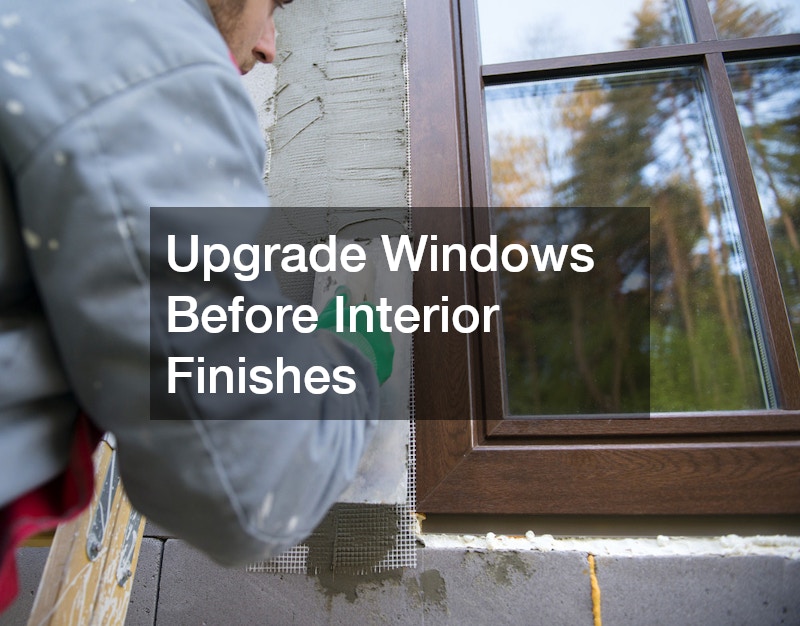
Windows affect far more than just how a room looks. They influence energy efficiency, comfort, sound control, and even indoor air quality. If windows are outdated or poorly sealed, no amount of interior improvement will fully compensate for the loss of heat or cooling. That’s why it’s smart to address them before investing in finishes that could be damaged during replacement.
Working with a qualified window installer ensures proper measurements, flashing, and sealing. Poor installation can lead to drafts, moisture intrusion, and even structural damage over time. Replacing windows often involves removing trim or disturbing wall surfaces, which can ruin freshly painted walls or new finishes if done out of order. Handling this step early protects your later investments.
Upgrading windows first also gives you immediate benefits while the rest of the project is underway. Improved insulation can make the home more comfortable for occupants and workers alike. It also gives you a clearer picture of your home’s energy performance before making other upgrades. In many cases, this step alone can significantly improve daily comfort.
Tackle Major Surface Upgrades Strategically
Surface upgrades have a big visual impact, but they depend heavily on what lies beneath them. Subfloors, supports, and framing all need to be in good condition before installing new flooring. Skipping proper preparation can lead to squeaks, uneven surfaces, or premature wear. Taking the time to correct underlying issues ensures that the finished result performs as well as it looks.
Heavier materials require even more planning. Installing granite countertops, for example, often involves reinforcing cabinetry and ensuring precise measurements. These surfaces are unforgiving, and small errors can lead to cracks or misalignment. That’s why they’re typically installed after all supporting elements are fully set and verified.
A strategic approach also considers how these upgrades interact with other work. Dust, vibration, and foot traffic from ongoing construction can damage finished surfaces. By scheduling surface installations closer to the end of the project, you reduce the risk of costly repairs. Careful timing protects both your budget and your peace of mind.
Coordinate Cabinetry With Layout and Appliances
Cabinetry plays a central role in how a space functions, especially in kitchens and storage-heavy areas. Decisions about size, placement, and configuration affect workflow, accessibility, and future flexibility. That’s why it’s important to think beyond appearance and focus on how the space will actually be used day to day. Early coordination prevents awkward layouts and wasted space.
Working closely with a reputable cabinet company helps align design choices with practical constraints. Lead times for custom work can be long, so early decisions keep the project on schedule. Cabinets also interact with plumbing, electrical, and appliance placement, all of which must be planned together. Miscommunication in this phase can cause delays and expensive rework.
Good cabinetry planning also anticipates change. Adjustable shelving, modular components, and thoughtful storage solutions make spaces easier to adapt over time. When cabinets are designed with both current and future needs in mind, they become a long-term asset rather than a limitation.
Don’t Overlook the Importance of the Roof

The roof is one of the most critical protective elements of your home, yet it’s often overlooked until problems become obvious. Leaks, missing shingles, or sagging areas can allow moisture to penetrate the structure, causing damage that spreads far beyond the attic. Addressing roof issues early prevents water-related problems that can ruin interior improvements.
Scheduling roofing installation before major interior work is a smart preventive measure. Interior upgrades are vulnerable to damage if the roof fails during construction or shortly afterward. Completing this work first ensures that everything beneath it remains protected. It also allows contractors to work without worrying about damaging finished spaces below.
A well-maintained roof contributes to energy efficiency and overall comfort. Proper ventilation and insulation help regulate indoor temperatures and reduce strain on heating and cooling systems. By prioritizing the roof, you safeguard every other investment you make in the home. It’s a foundational step that supports long-term performance.
Build a Realistic Budget With Contingencies
Even the best-planned projects encounter surprises. Hidden damage, code updates, or material delays can all affect costs. A realistic budget accounts for these possibilities rather than assuming everything will go perfectly. Including a contingency fund helps you respond to issues without panic or rushed decisions.
Start by breaking the project into phases and assigning estimated costs to each. This makes it easier to see where your money is going and where adjustments might be possible. It also helps you prioritize if you need to scale back. Transparent budgeting creates fewer conflicts and more informed choices throughout the project.
It’s also important to consider long-term value, not just upfront cost. Cheaper options may require more maintenance or replacement sooner. A thoughtful budget balances immediate affordability with durability and performance. This approach leads to fewer regrets and a better overall outcome.
Create a Timeline That Respects Trade Dependencies
Construction work follows a logical order, and ignoring that order leads to delays. Certain tasks simply can’t begin until others are complete. Understanding these dependencies helps you build a timeline that reflects reality rather than wishful thinking. This reduces frustration and keeps everyone aligned.
A clear timeline also helps manage expectations. You’ll know when disruptions are most likely and can plan accordingly. Contractors benefit from knowing when their work fits into the larger picture. This coordination minimizes downtime and scheduling conflicts.
Flexibility is still important. Weather, inspections, and supply chains can all cause shifts. A good timeline includes buffer periods and clear communication channels. With a realistic plan in place, changes become manageable rather than overwhelming.
Manage Contractors and Maintain Quality Control

Successful projects depend as much on management as they do on materials. Clear communication, documentation, and regular check-ins help keep work on track. You don’t need to micromanage, but staying informed allows you to catch issues early. Small corrections are far easier than major fixes after the fact.
Quality control involves setting expectations from the start. Written agreements, detailed scopes of work, and milestone reviews provide structure. Walkthroughs at key stages help ensure that work meets standards before moving on. This protects both your investment and your relationship with contractors.
Finally, take time for a thorough final inspection. Make sure all agreed-upon work is complete and functioning properly. Address punch-list items promptly while crews are still available. A well-managed closeout ensures that you can enjoy the finished result with confidence.
Major home improvements are most successful when they’re approached with patience, planning, and a clear understanding of priorities. By focusing on structure, safety, and sequencing, you reduce the risk of costly mistakes and unfinished work. Each decision builds on the last, so thoughtful preparation pays off at every stage.
This guide has emphasized the importance of looking beyond individual upgrades and considering how everything works together. When projects are coordinated properly, the result feels intentional and cohesive rather than chaotic. You gain not only a more beautiful home but also one that performs better and lasts longer.
Ultimately, the goal is confidence. With a solid plan, realistic expectations, and the right professionals involved, even complex projects become manageable. Taking the time to do things in the right order helps ensure that your investment delivers value, comfort, and satisfaction for years to come.